All images © 1975-2026 Marc Delforge
“Goodness is an extraordinary force.” (Youssef Chahine)
“Deep down most people are pretty decent.” (Rutger Bregman)
“Whether the glass is half empty or half full, you have the power to fill it up.”
(Matshona Dhliwayo)
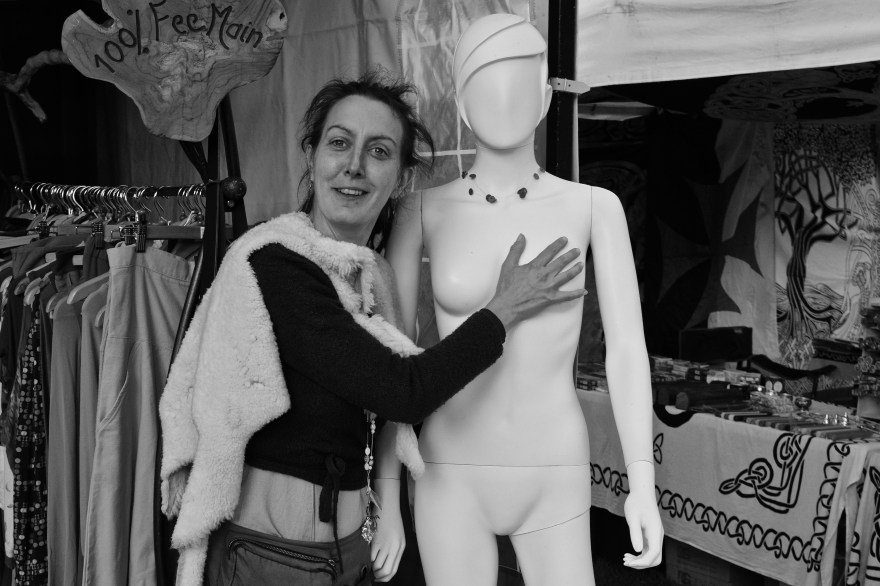
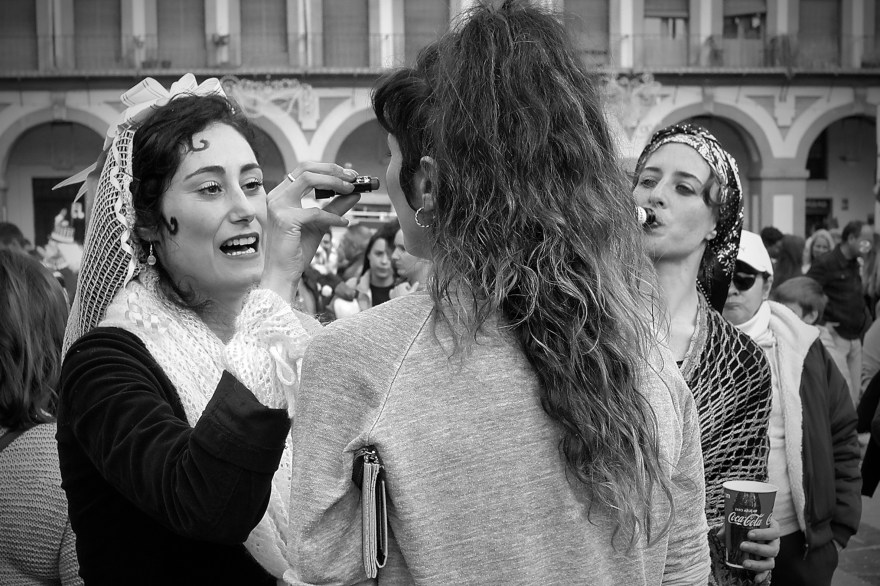
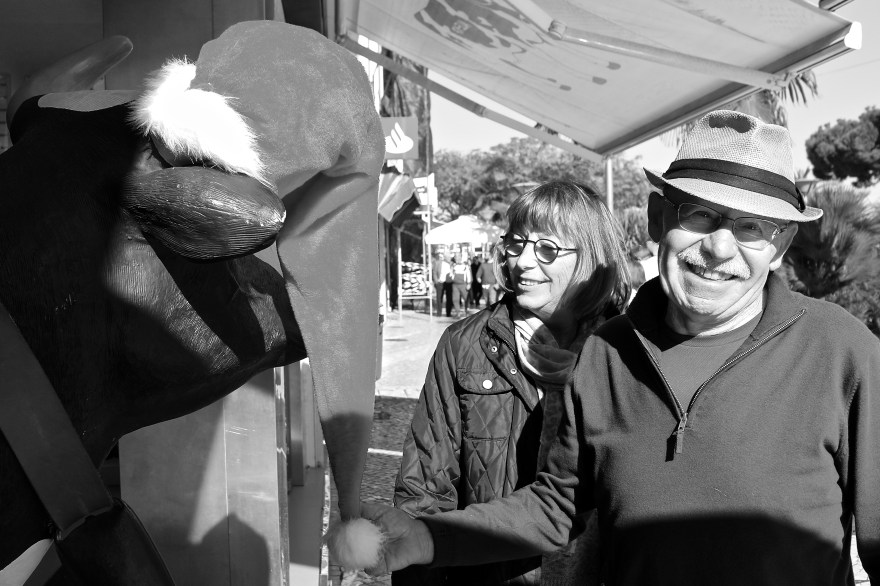
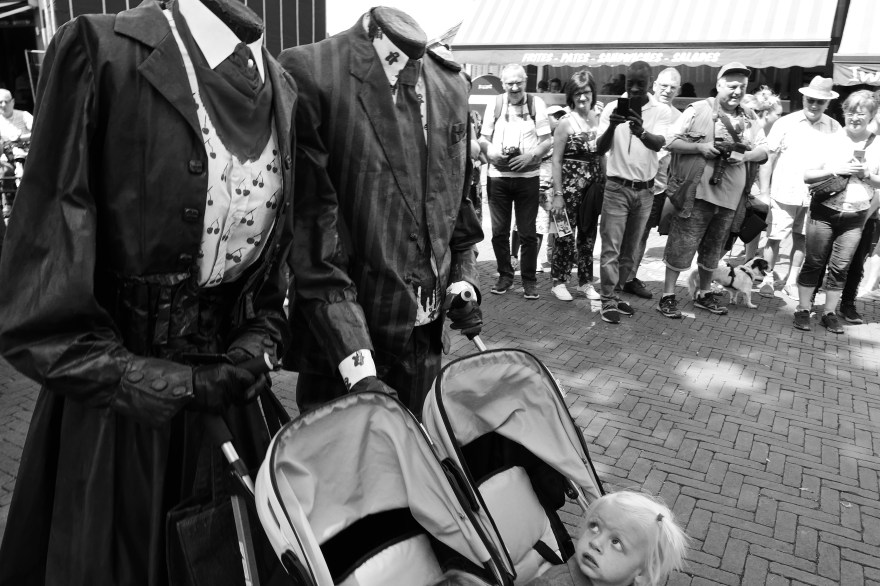
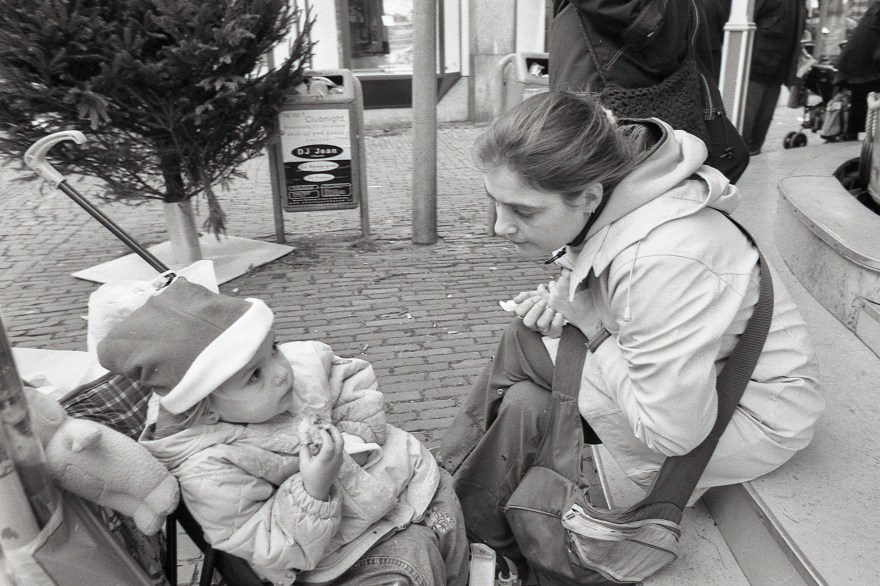
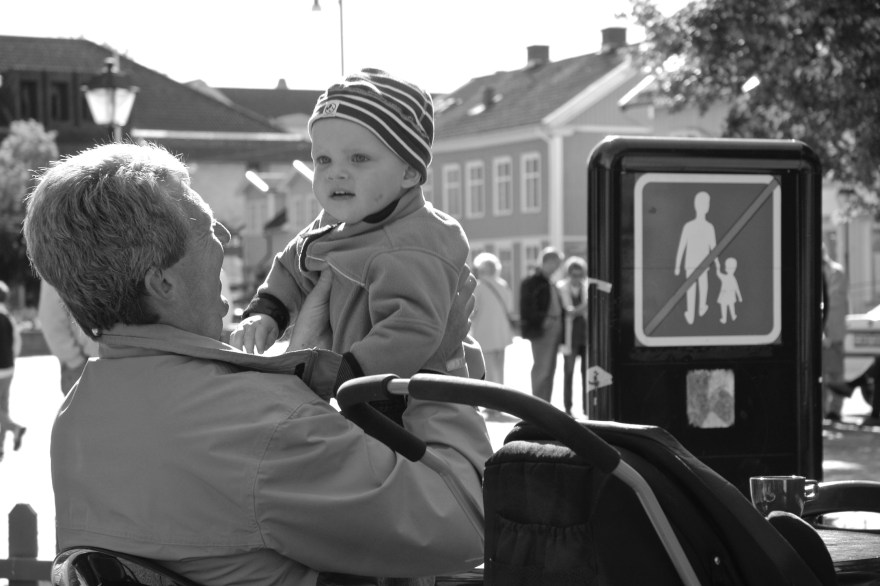
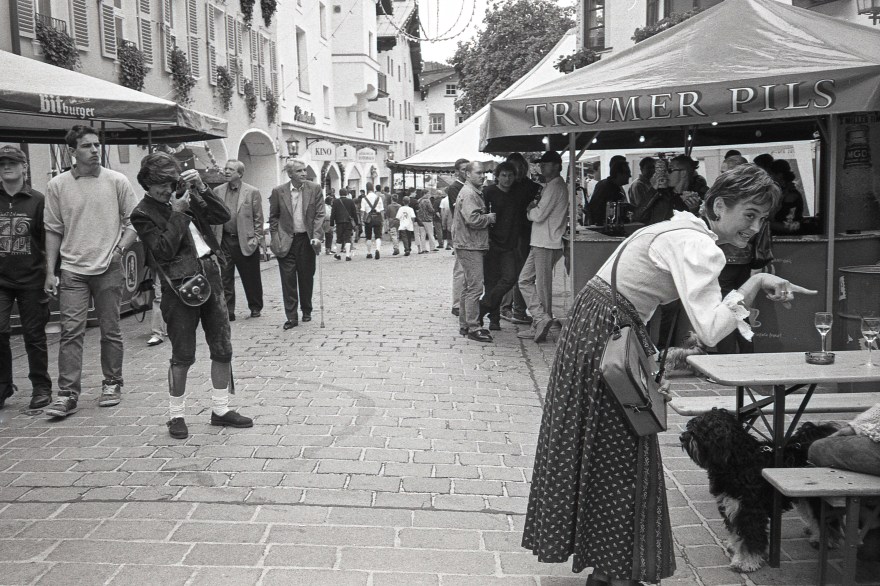
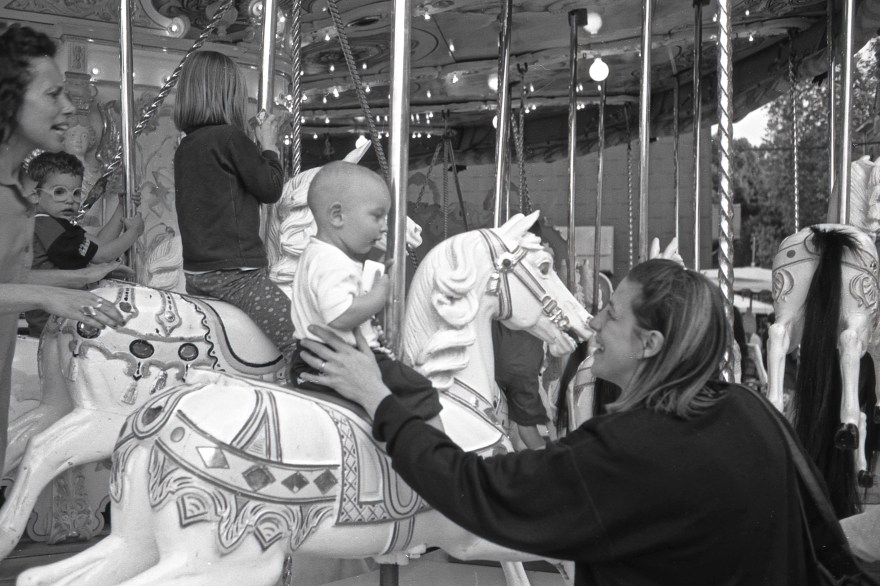
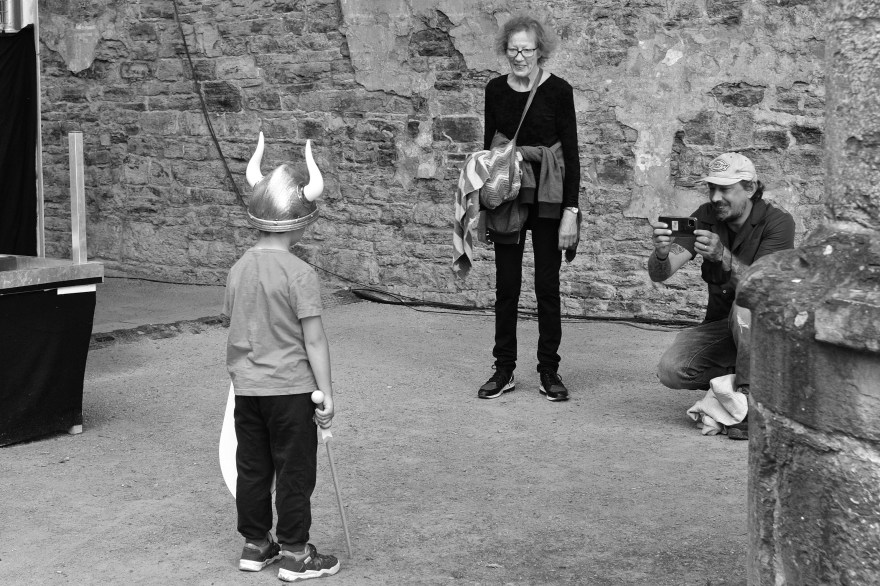
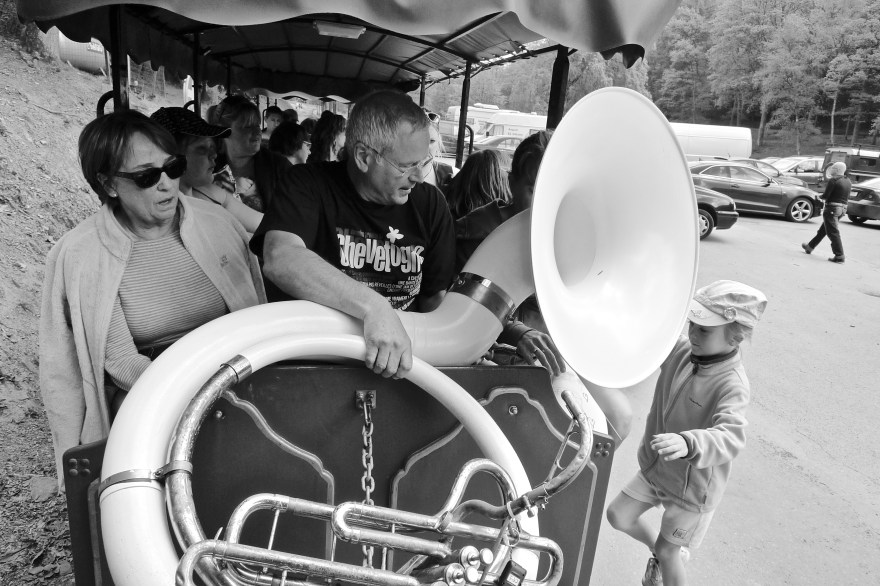
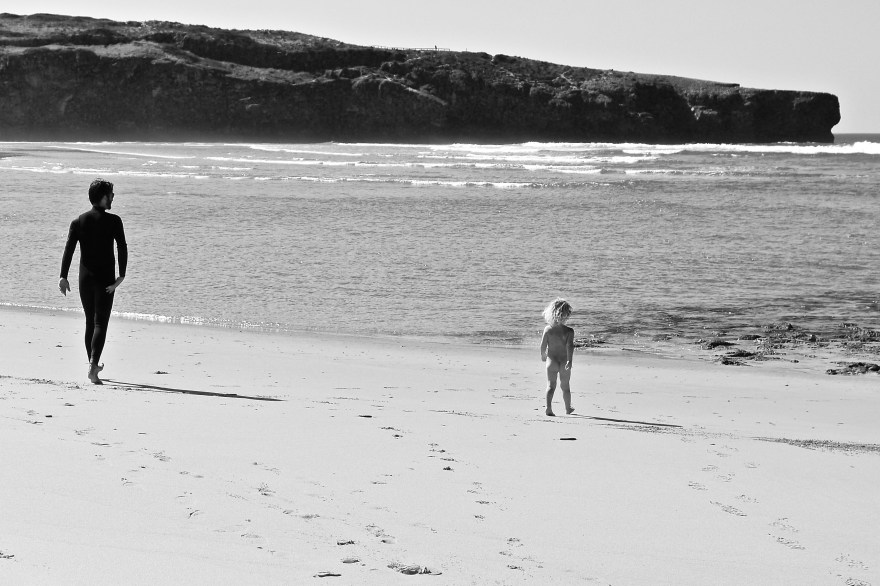
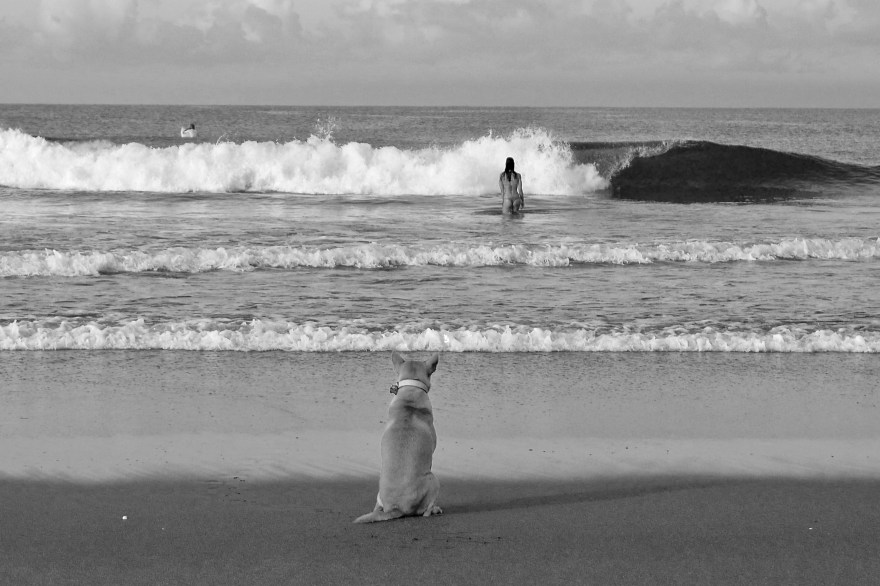
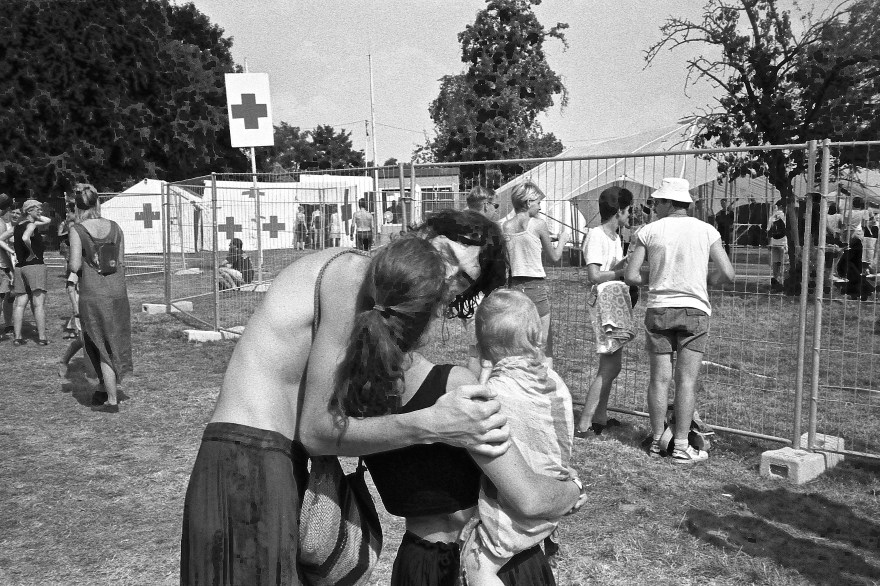
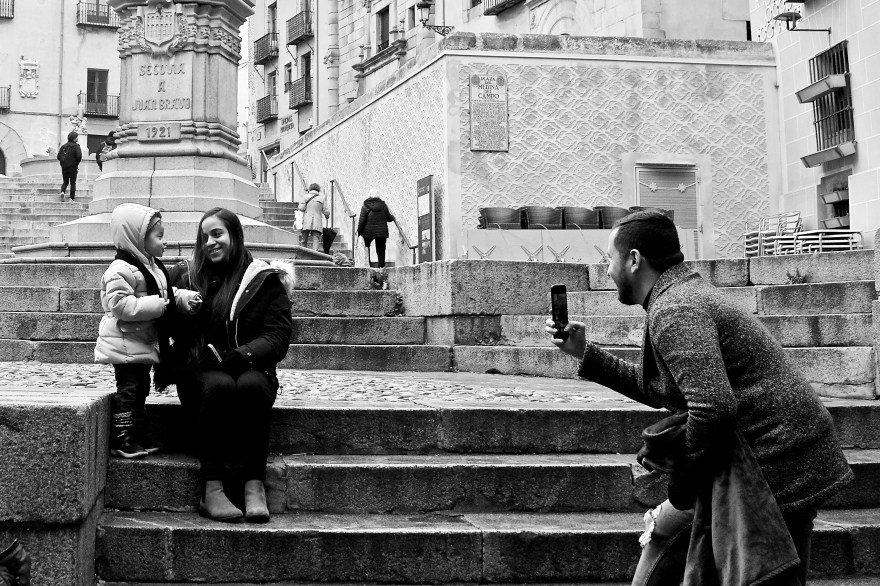
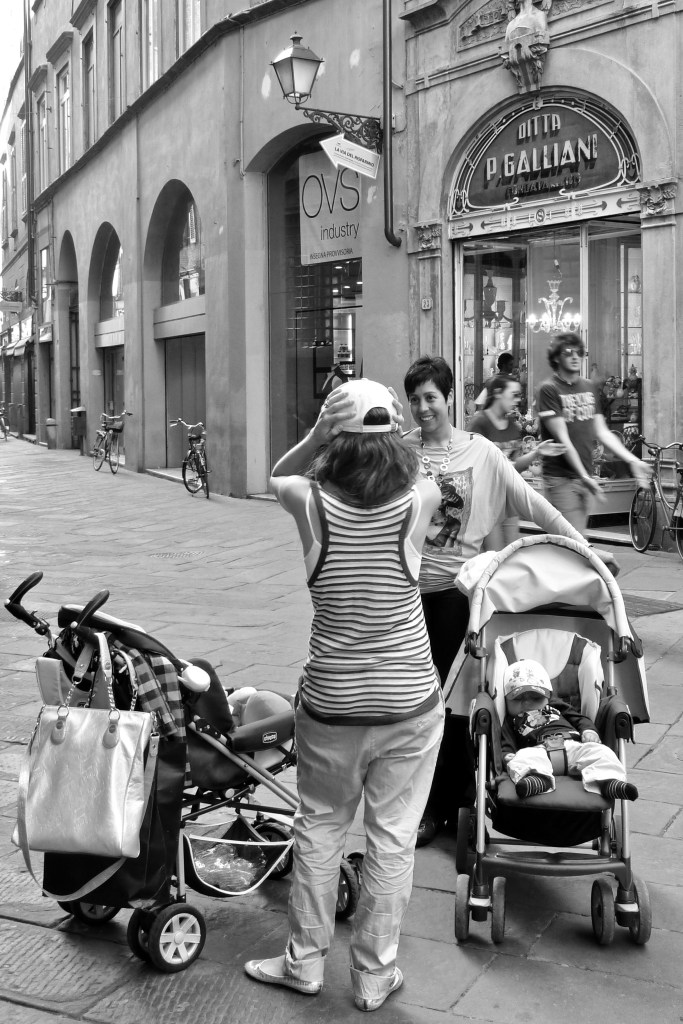
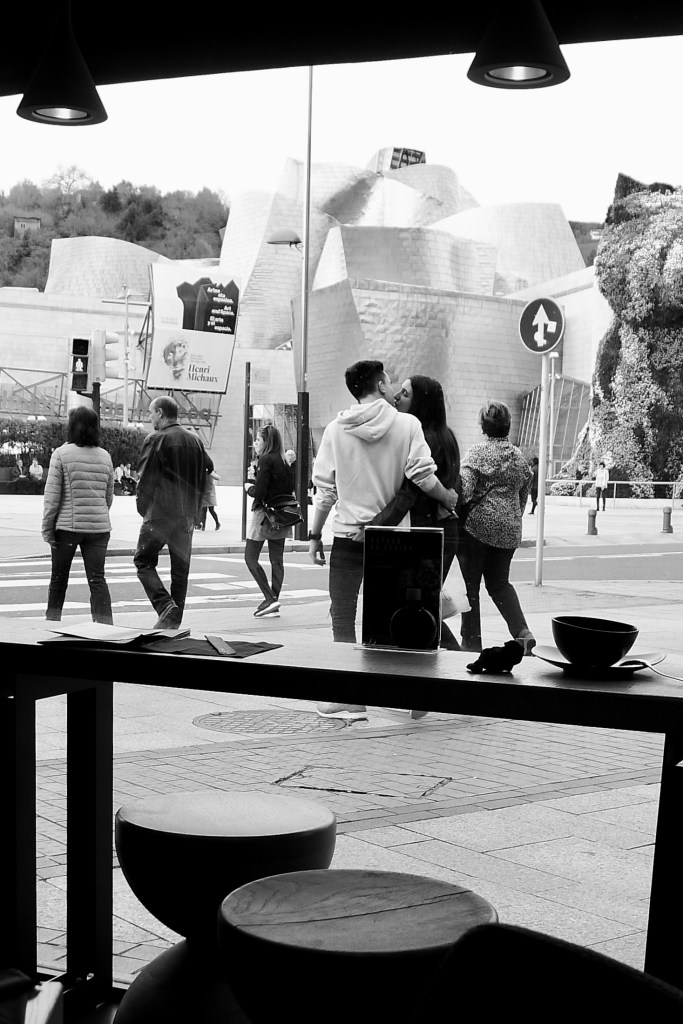
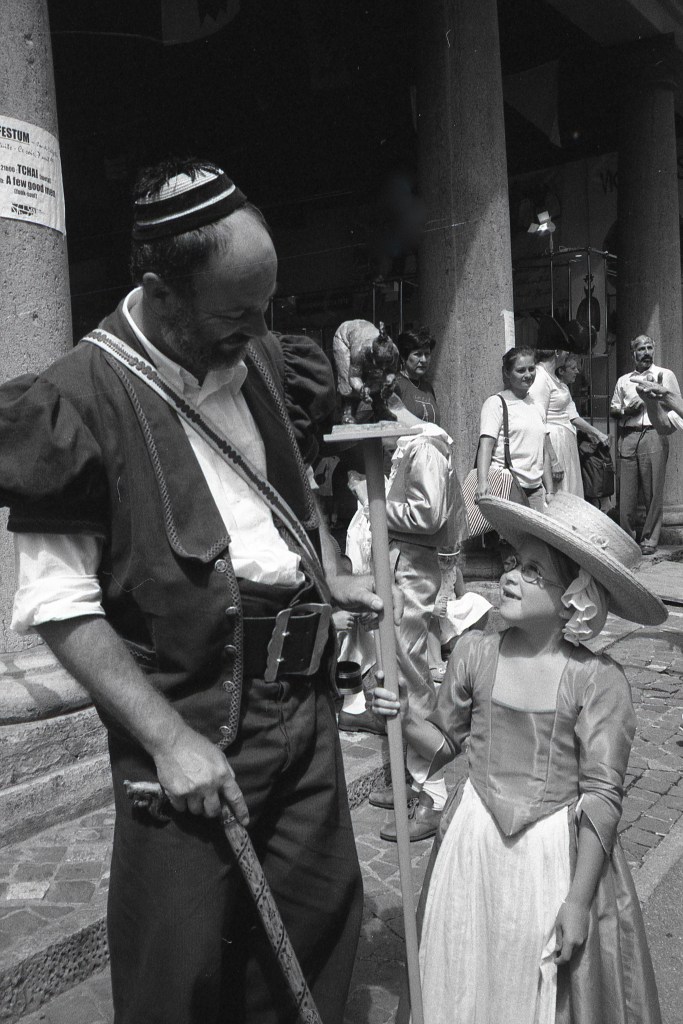
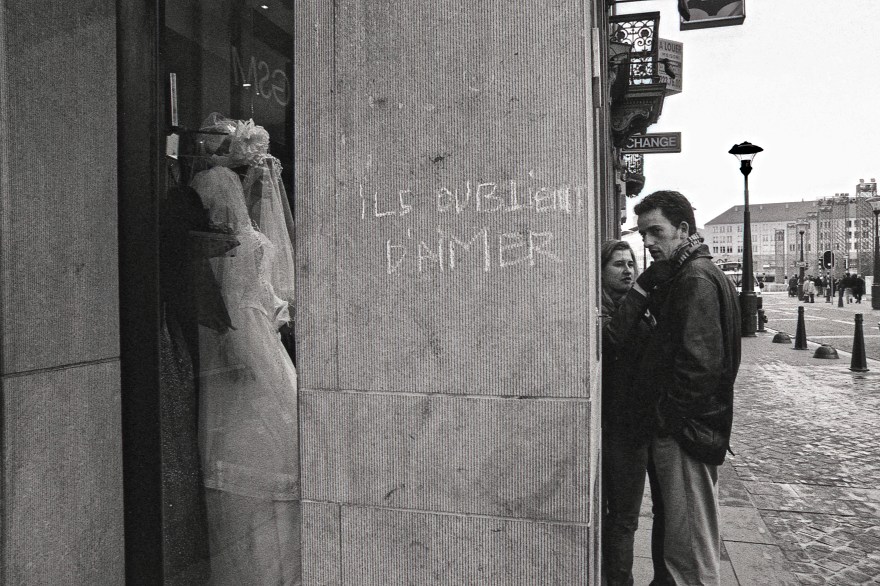
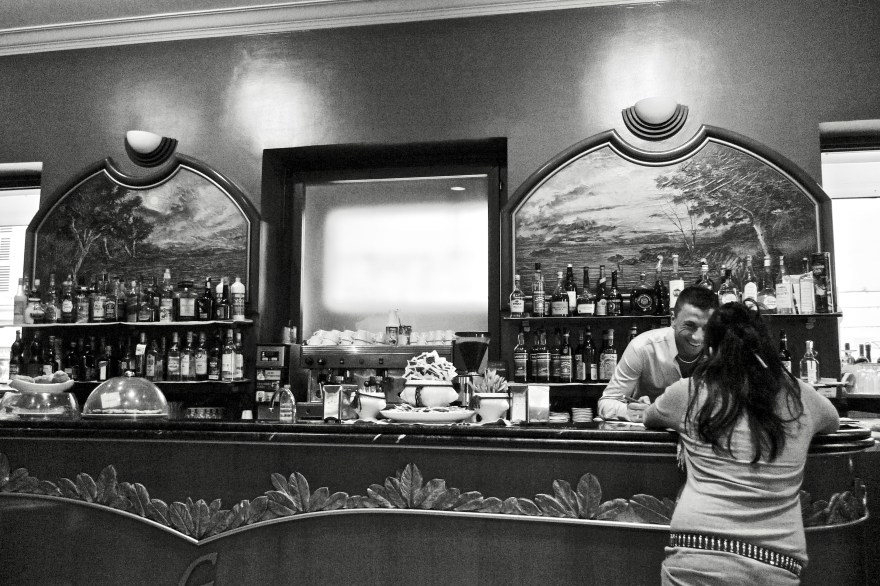
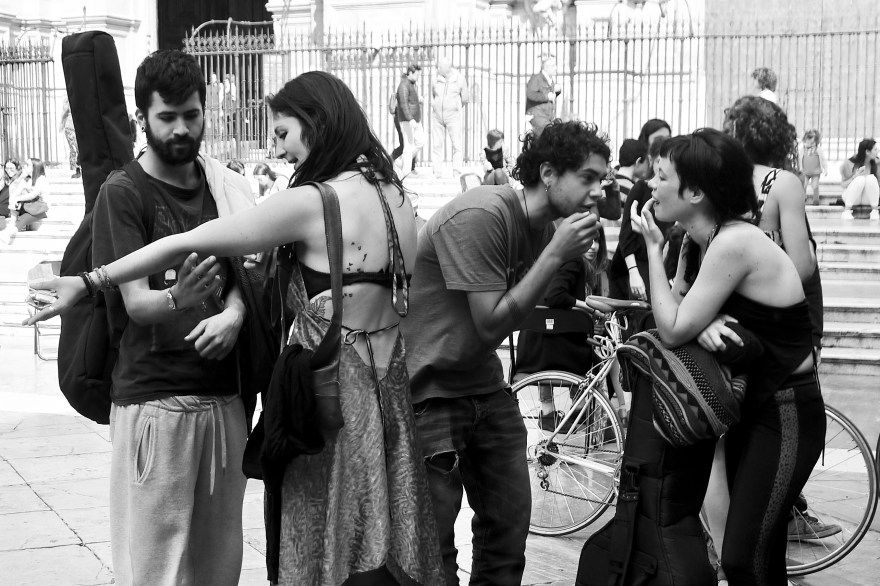
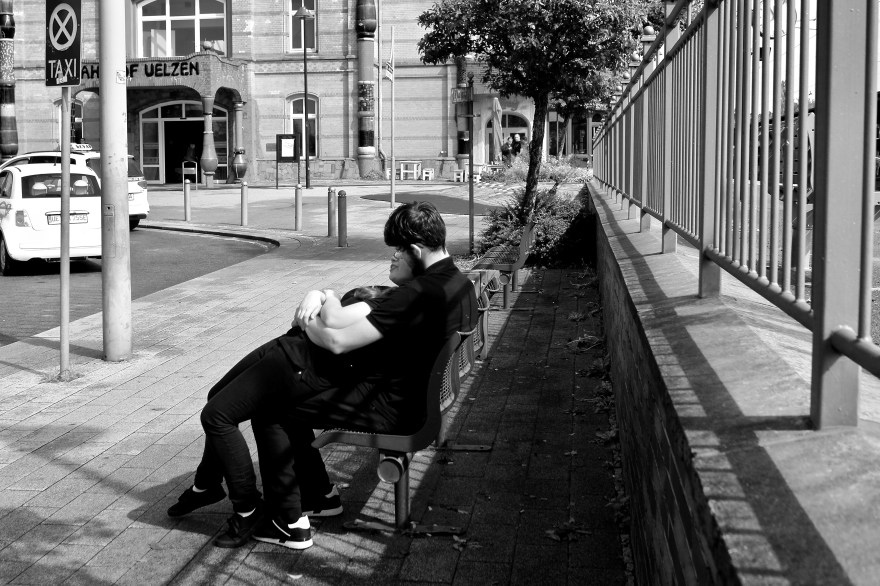
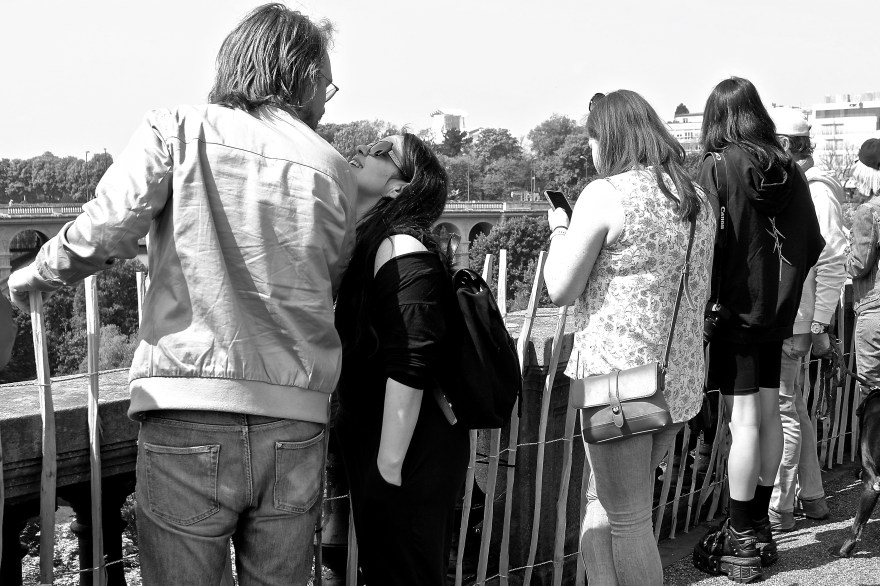
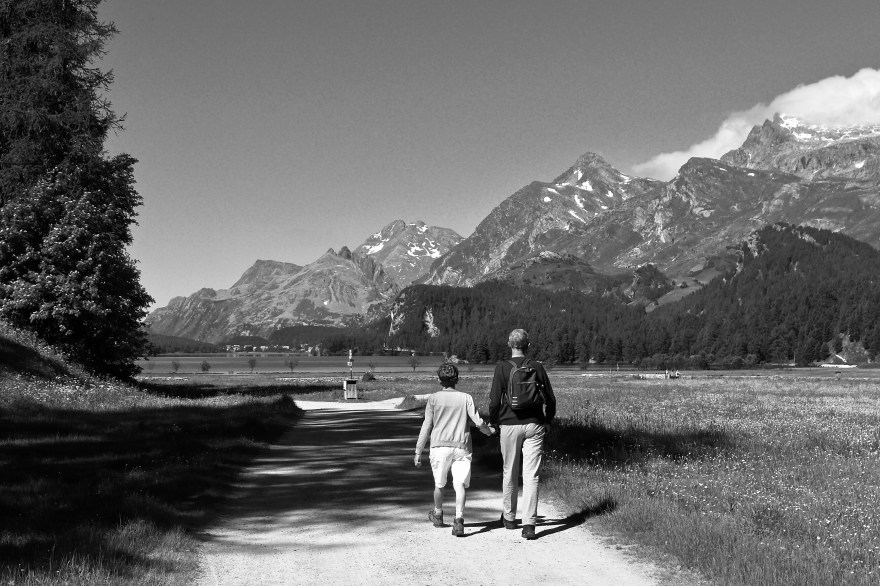
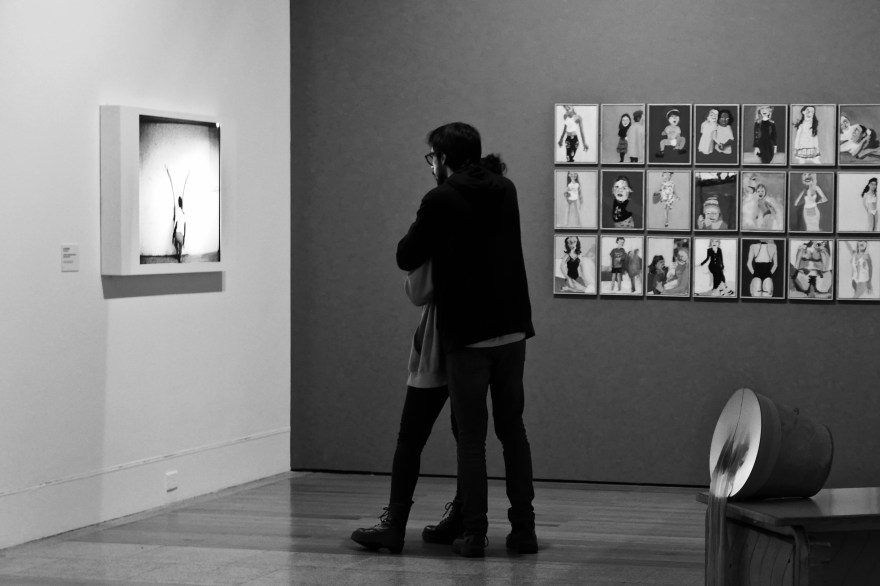
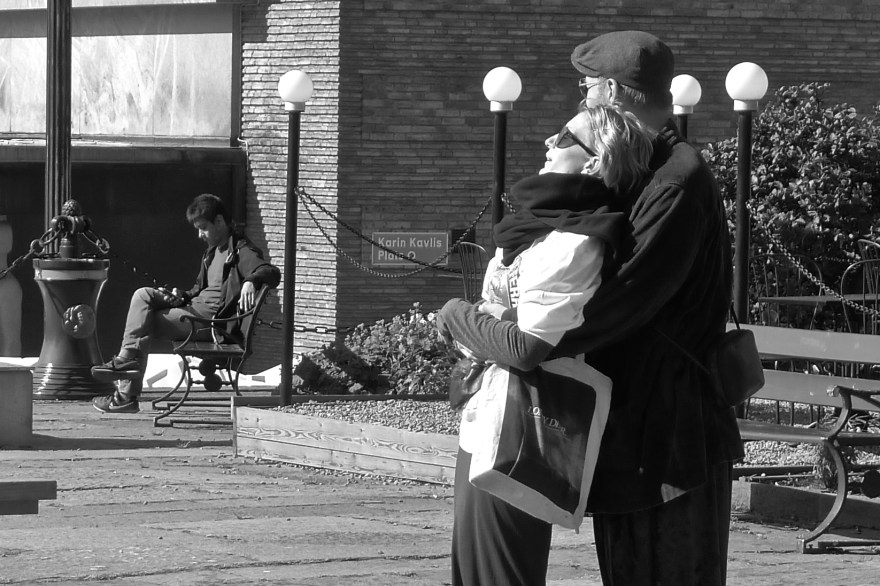
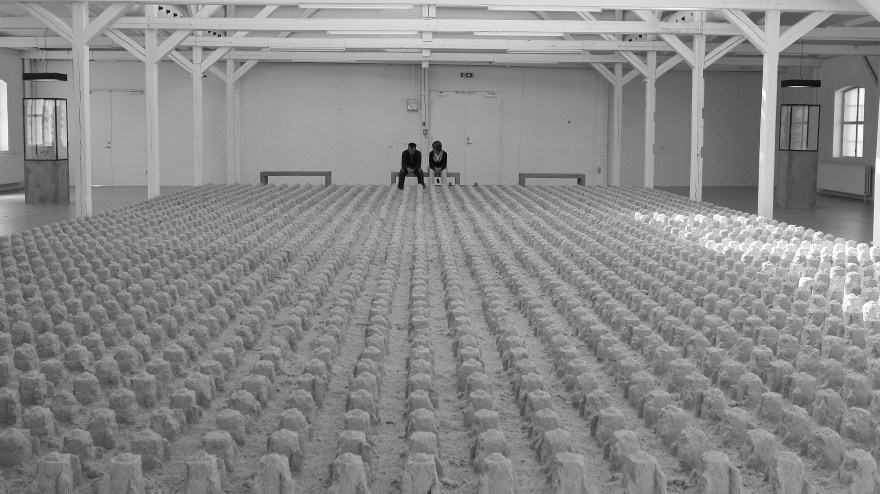
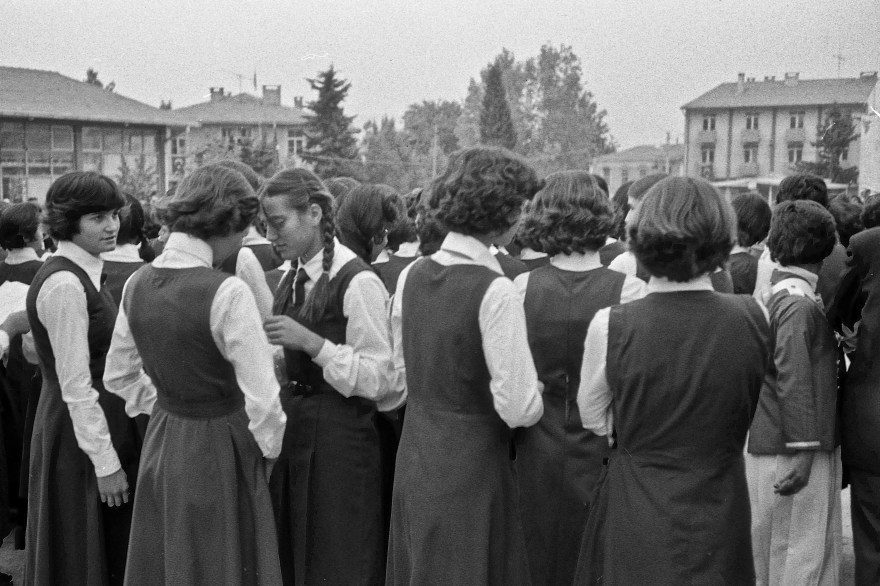
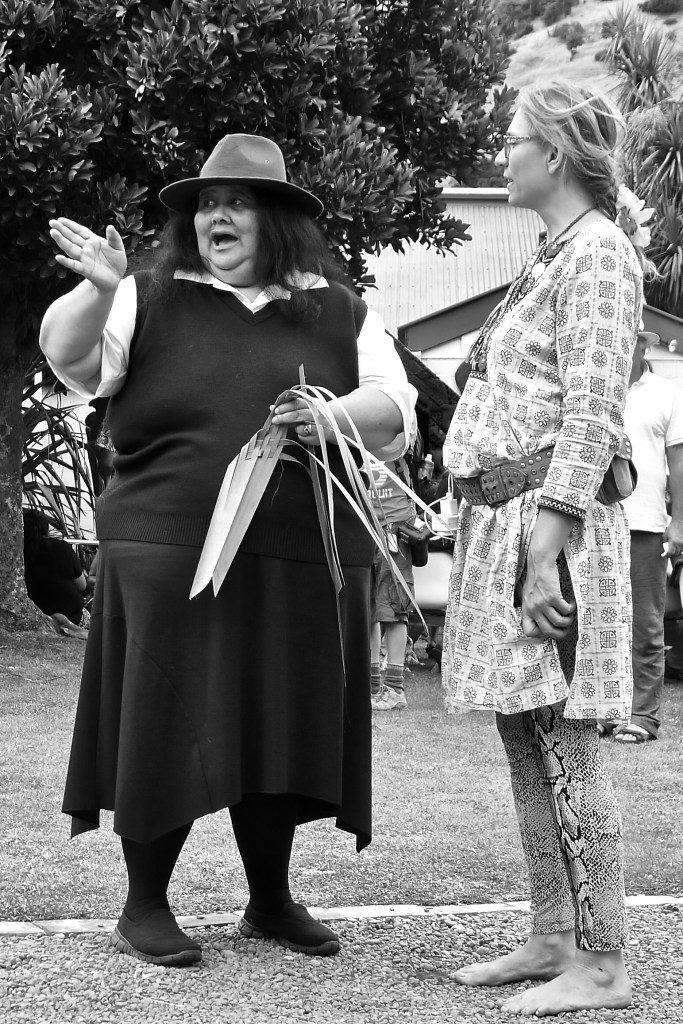
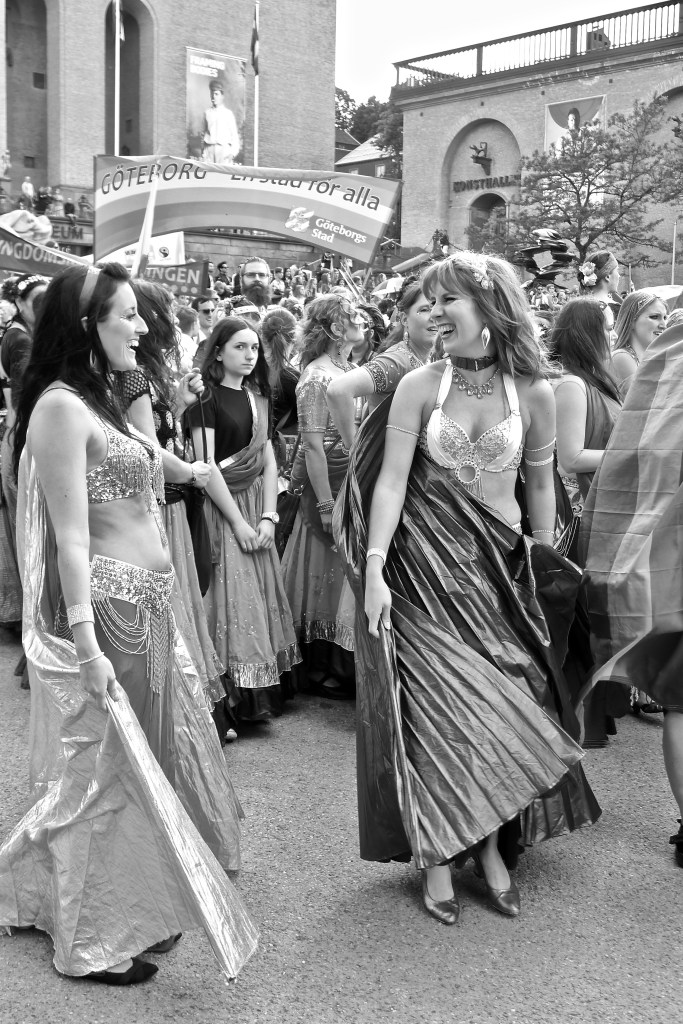
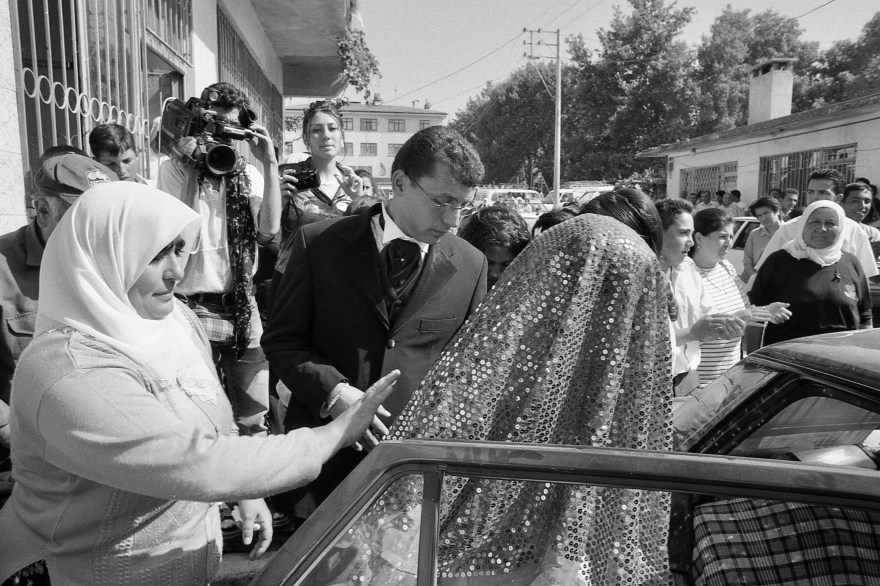
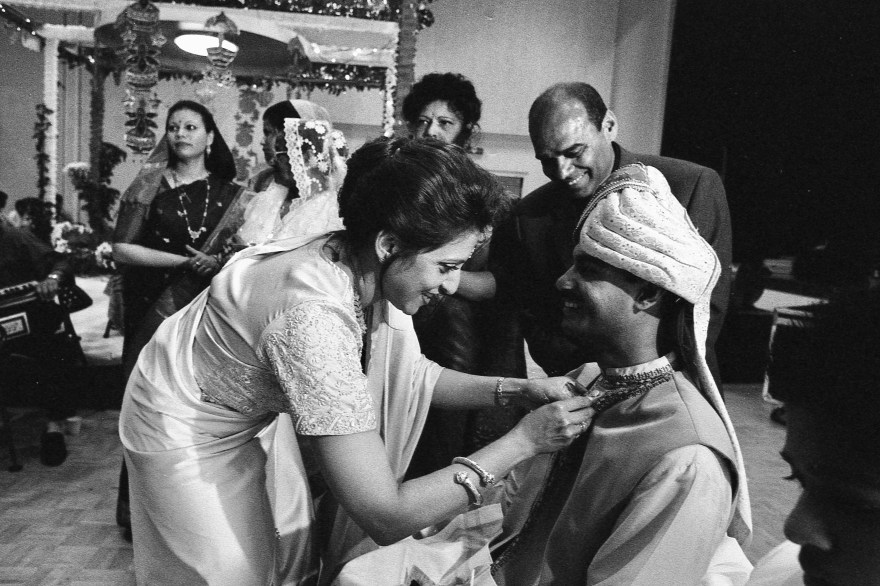
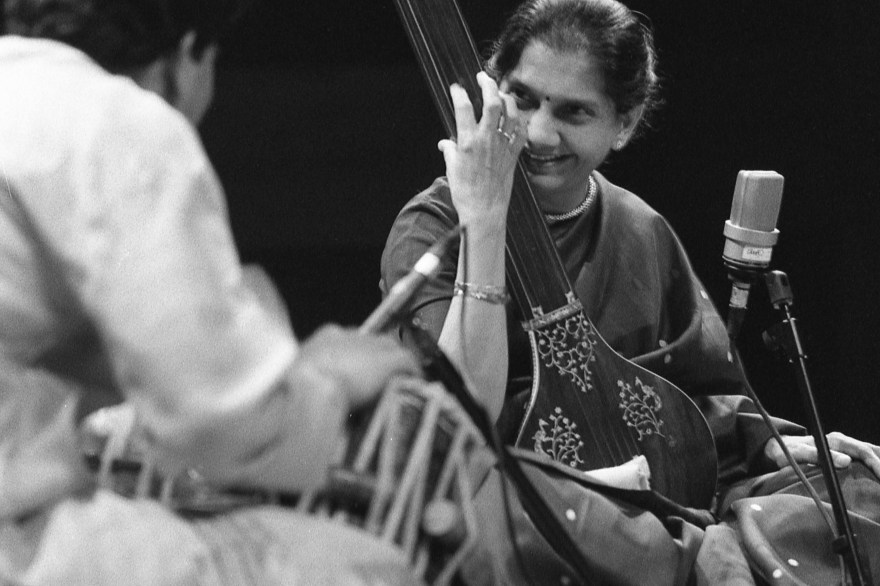
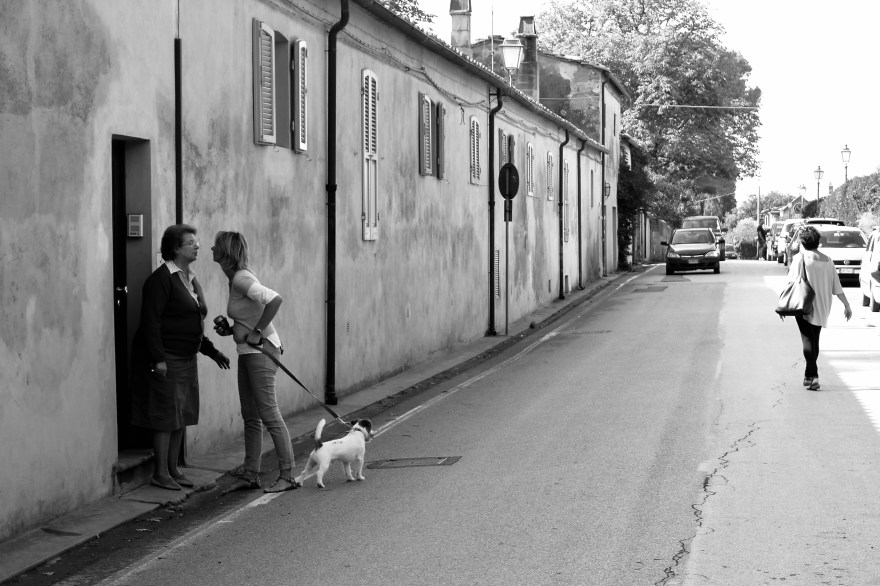
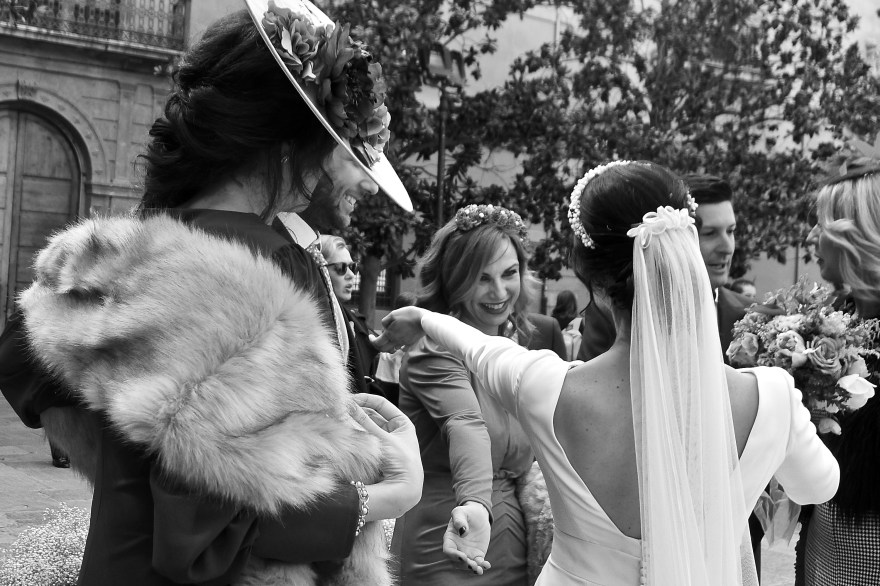
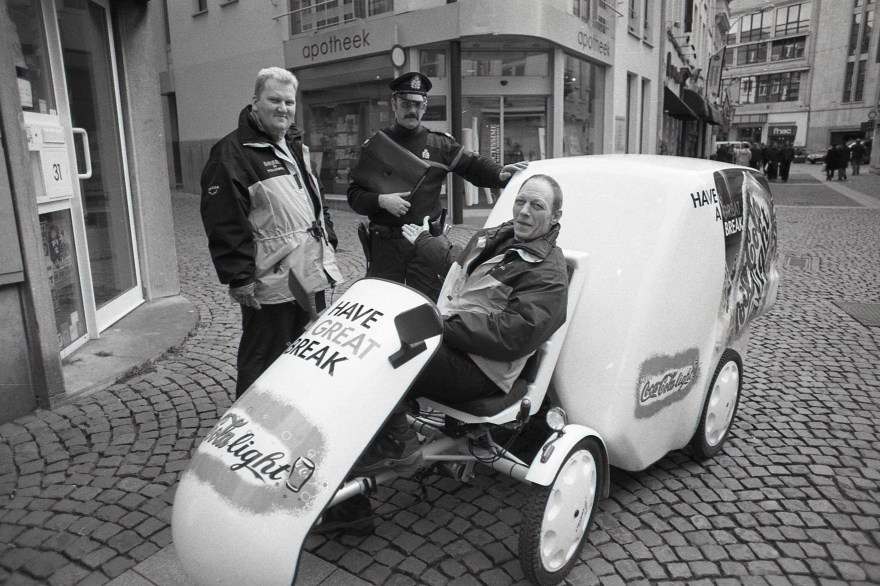
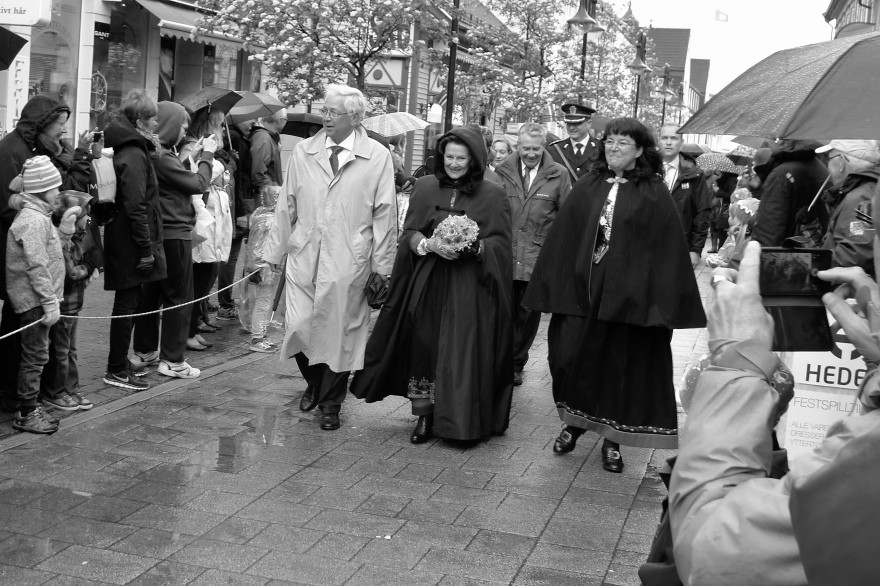
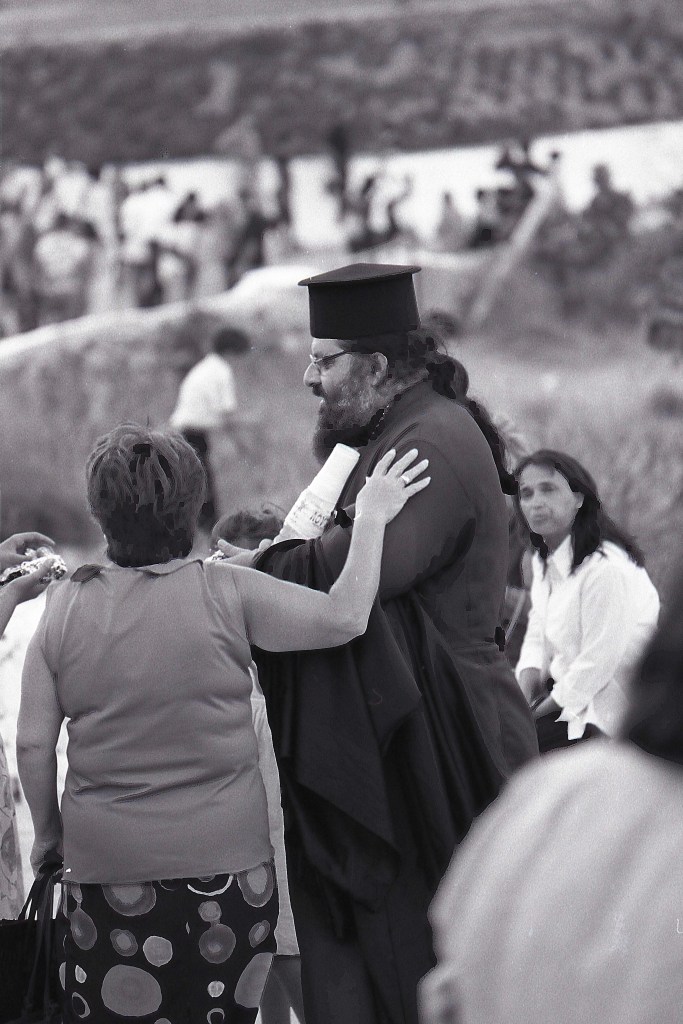
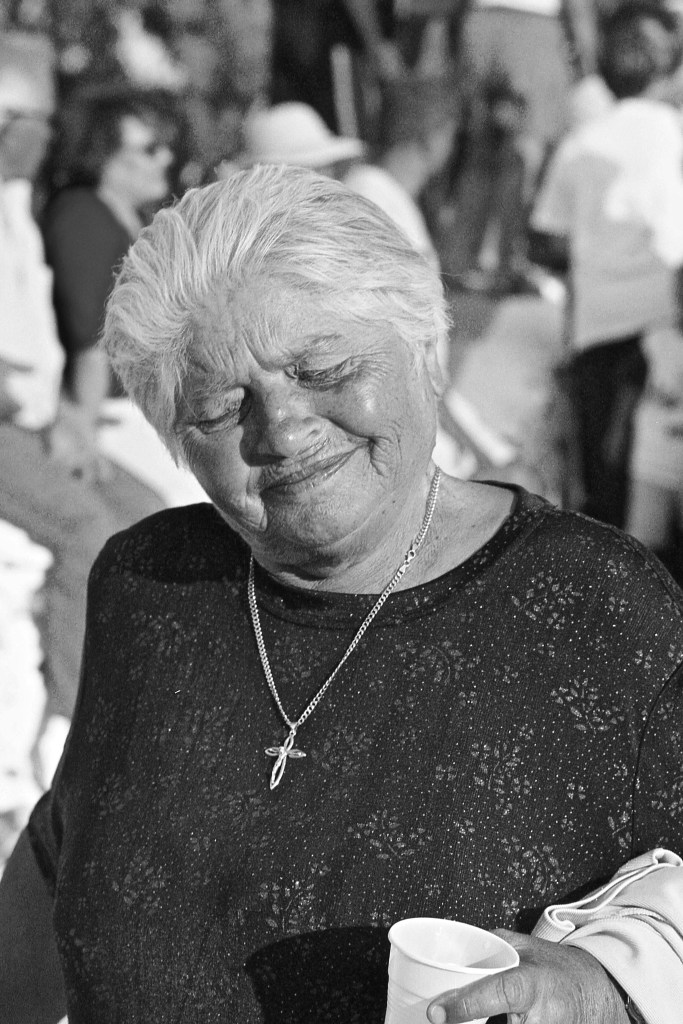
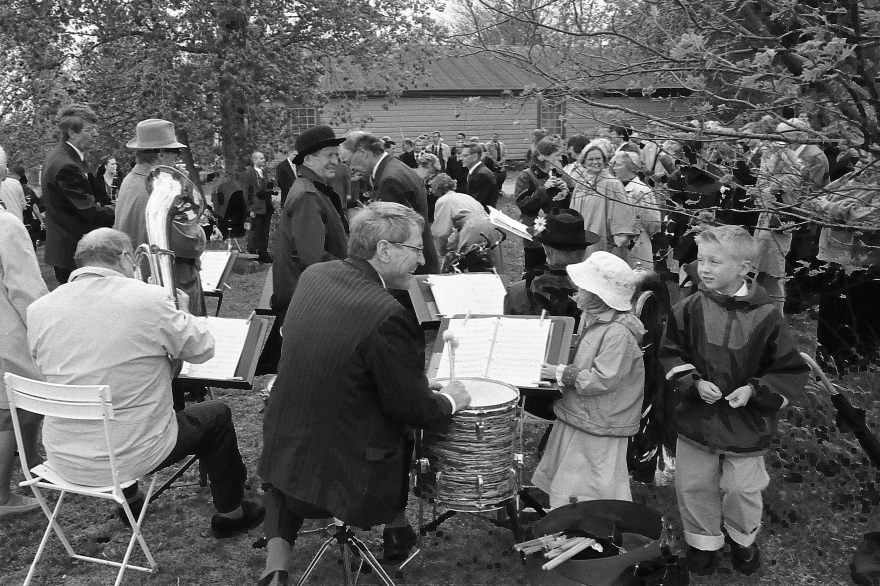
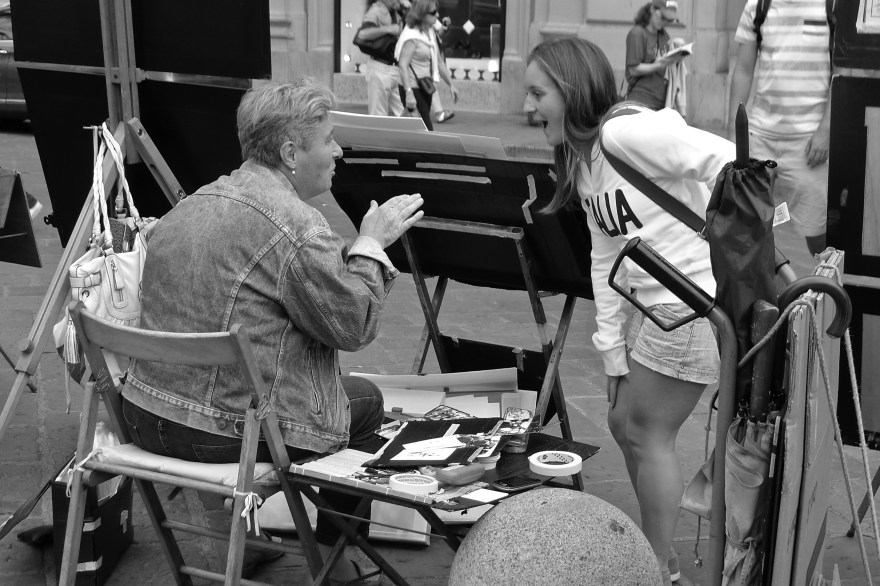
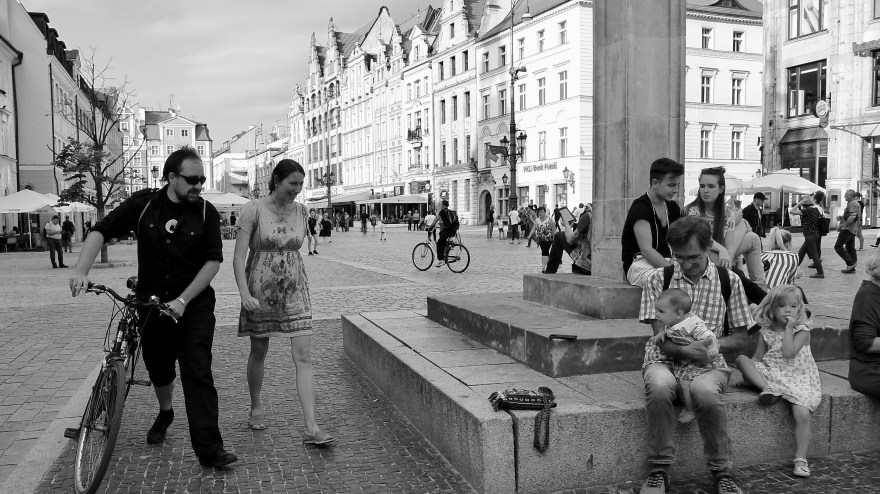
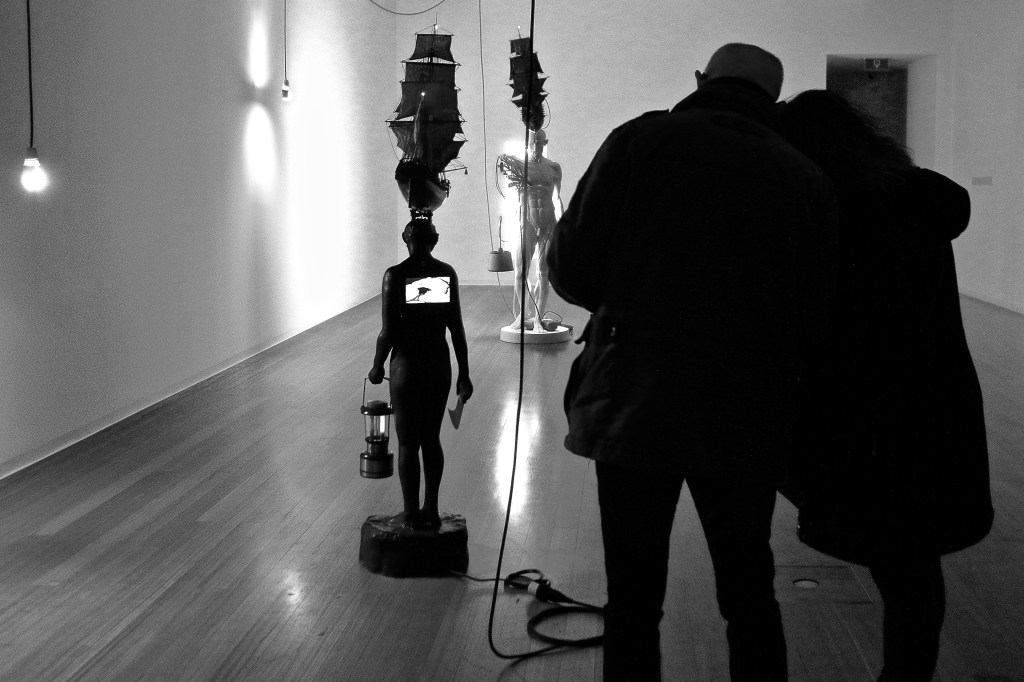
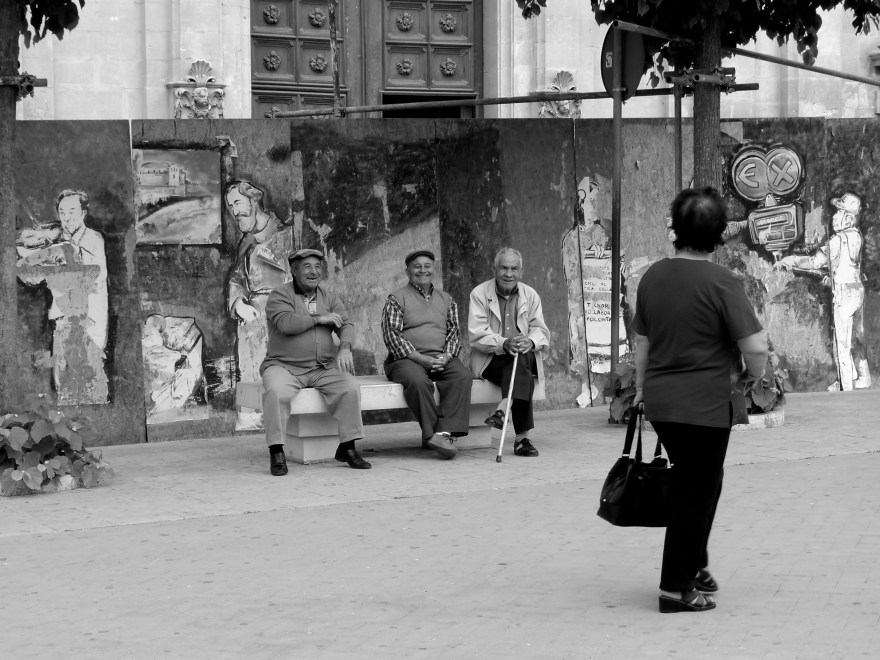
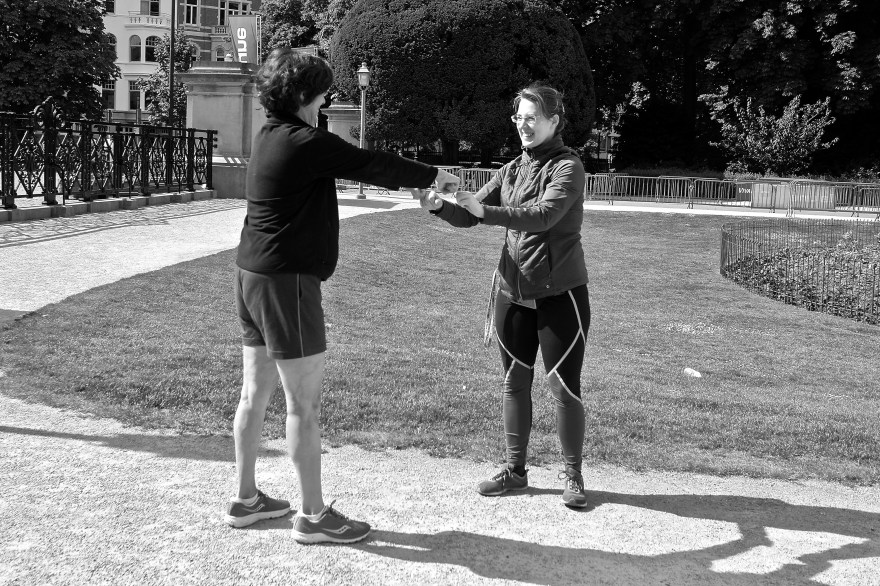
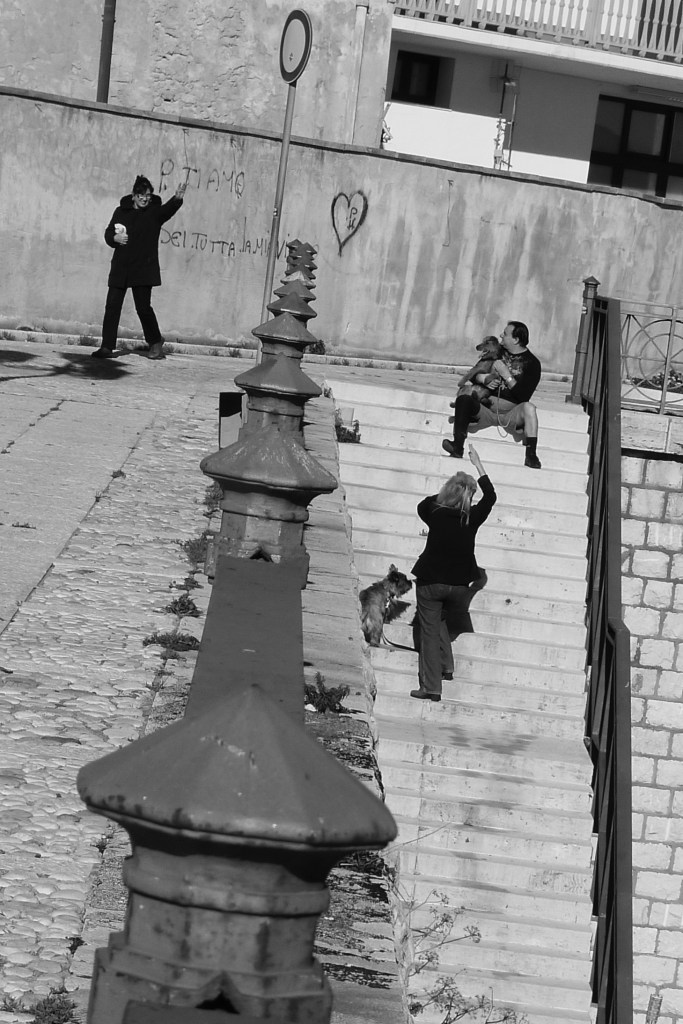
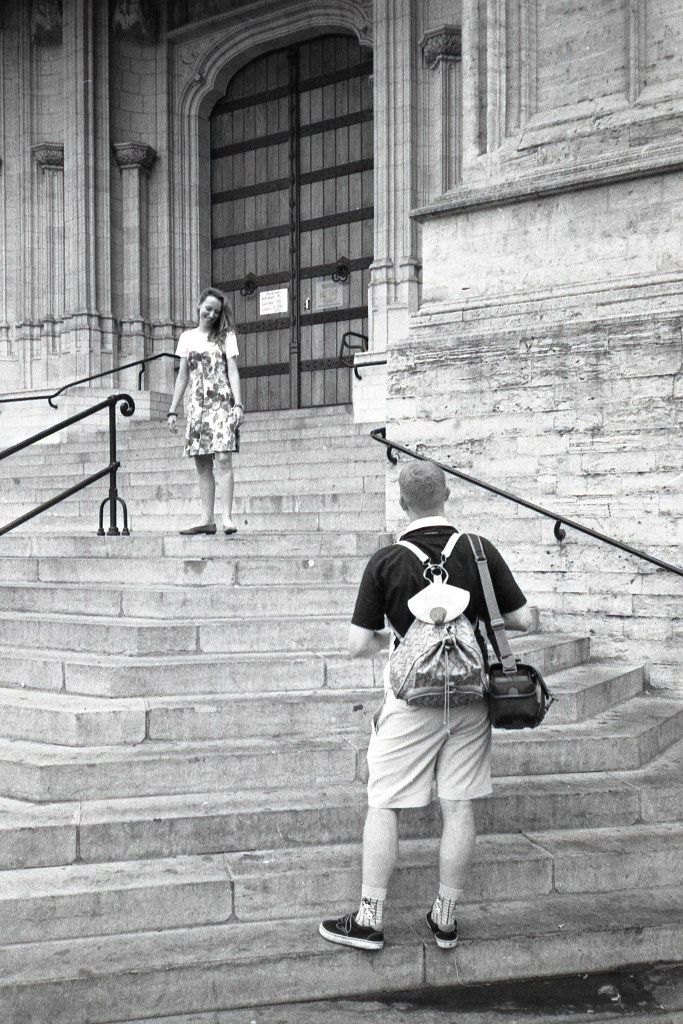
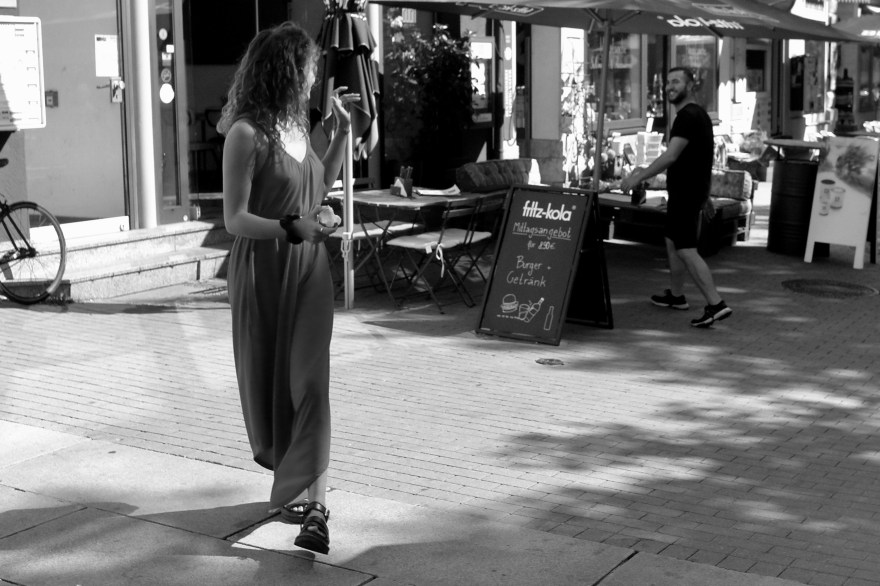
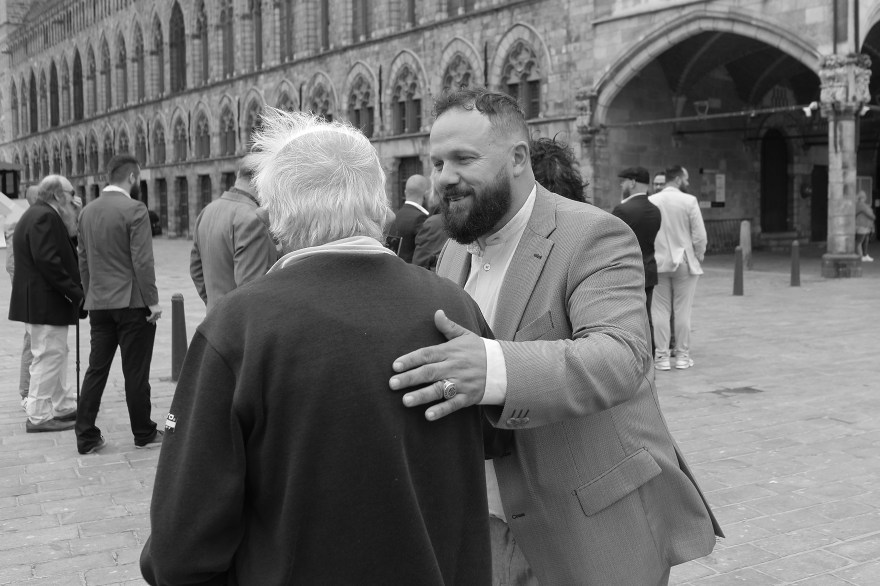
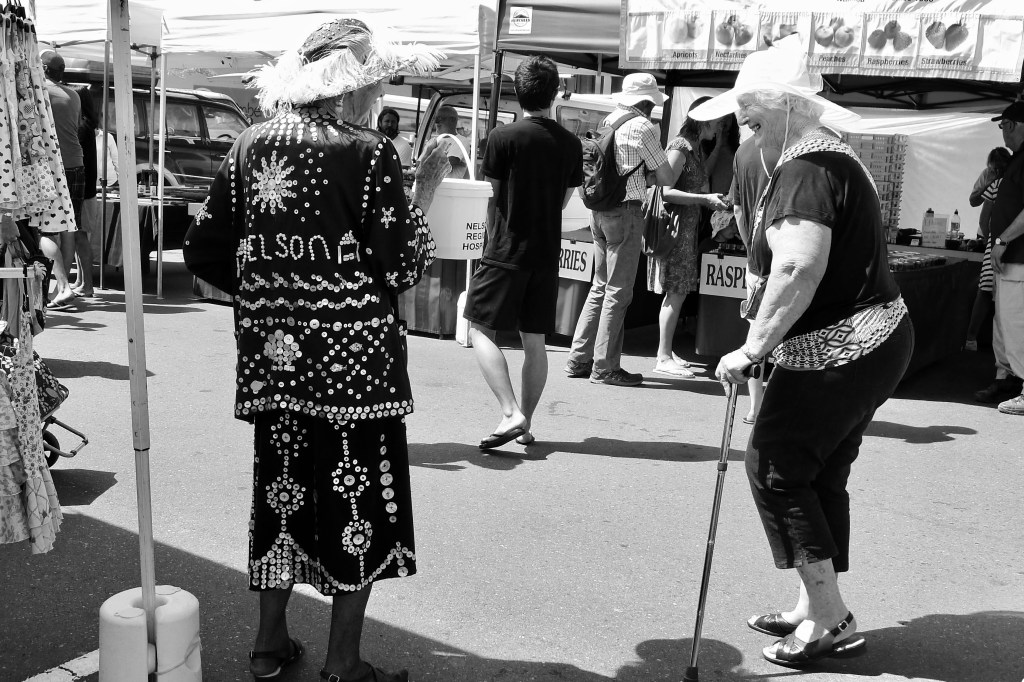
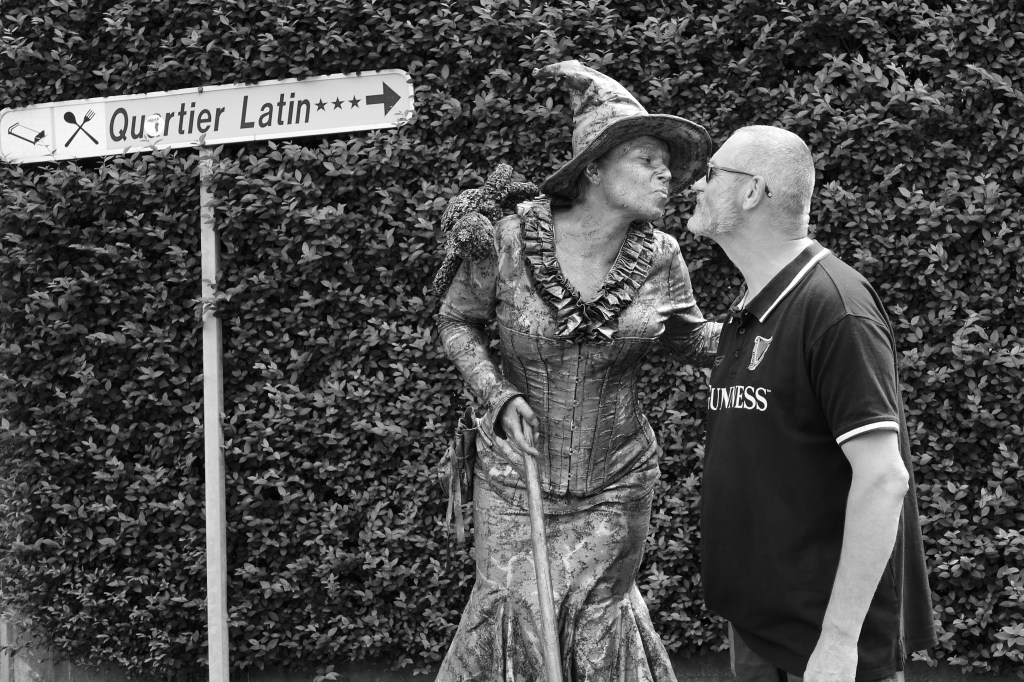
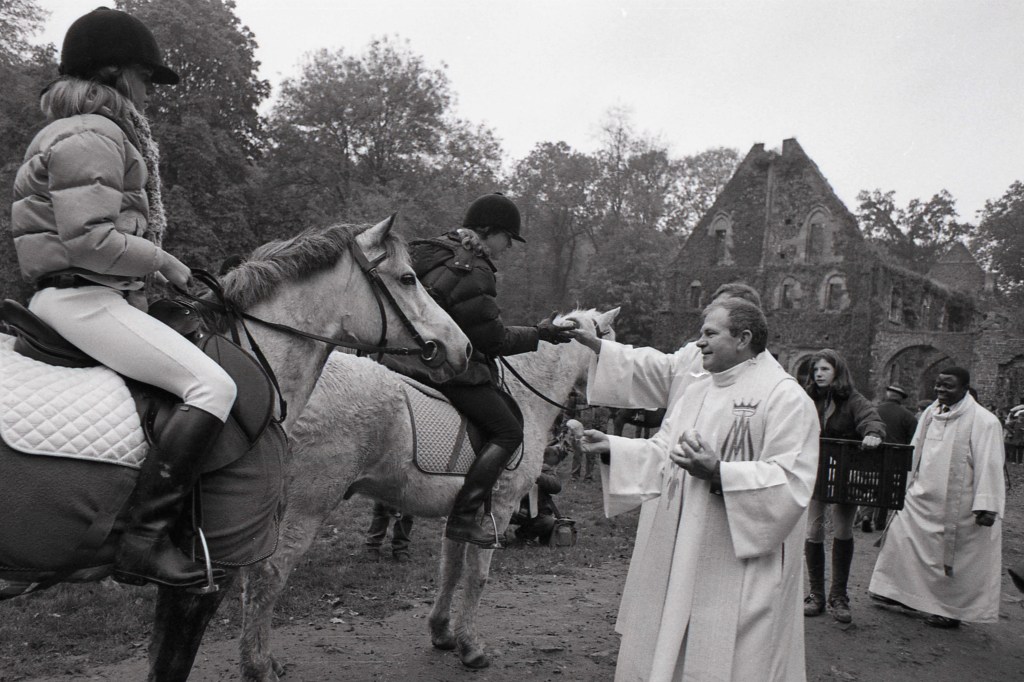
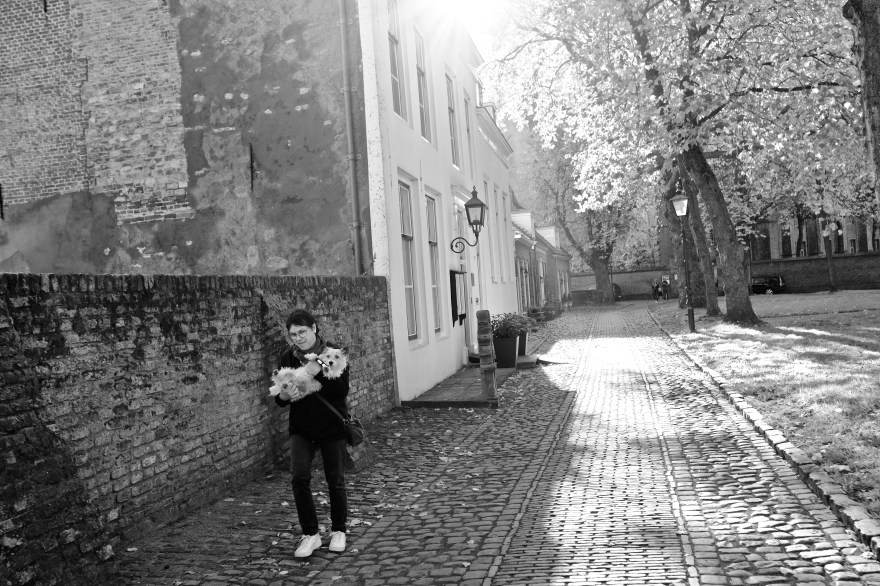
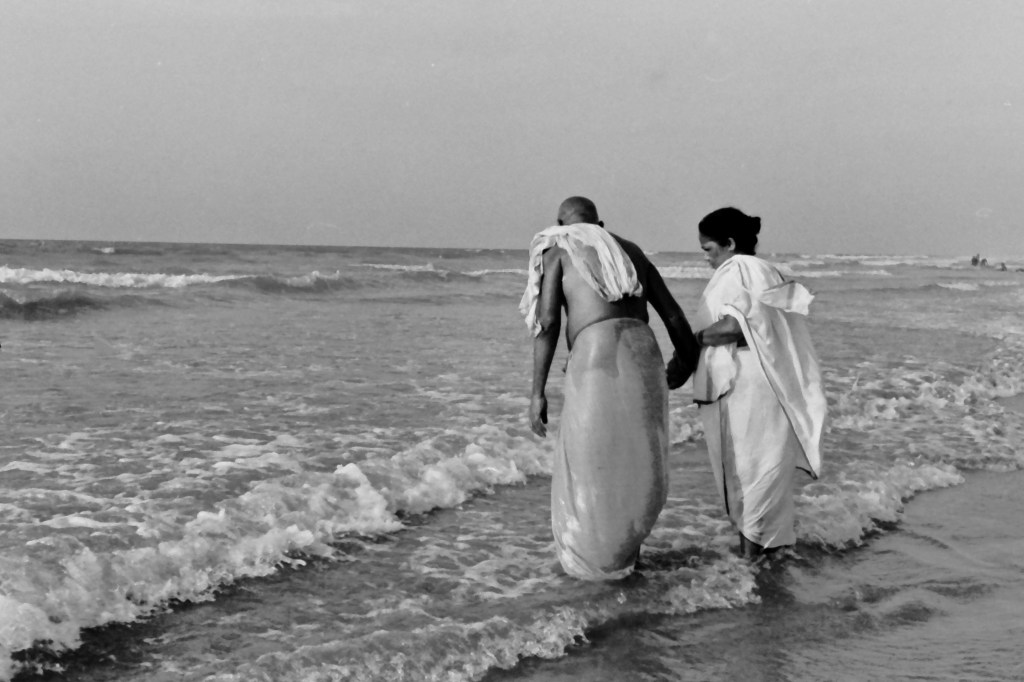
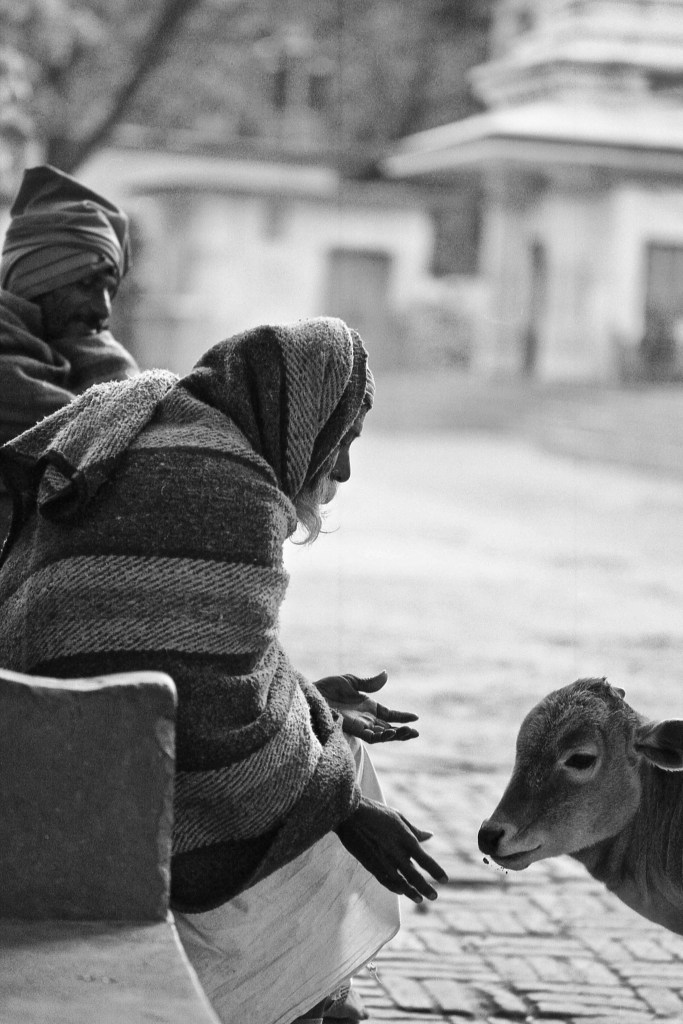
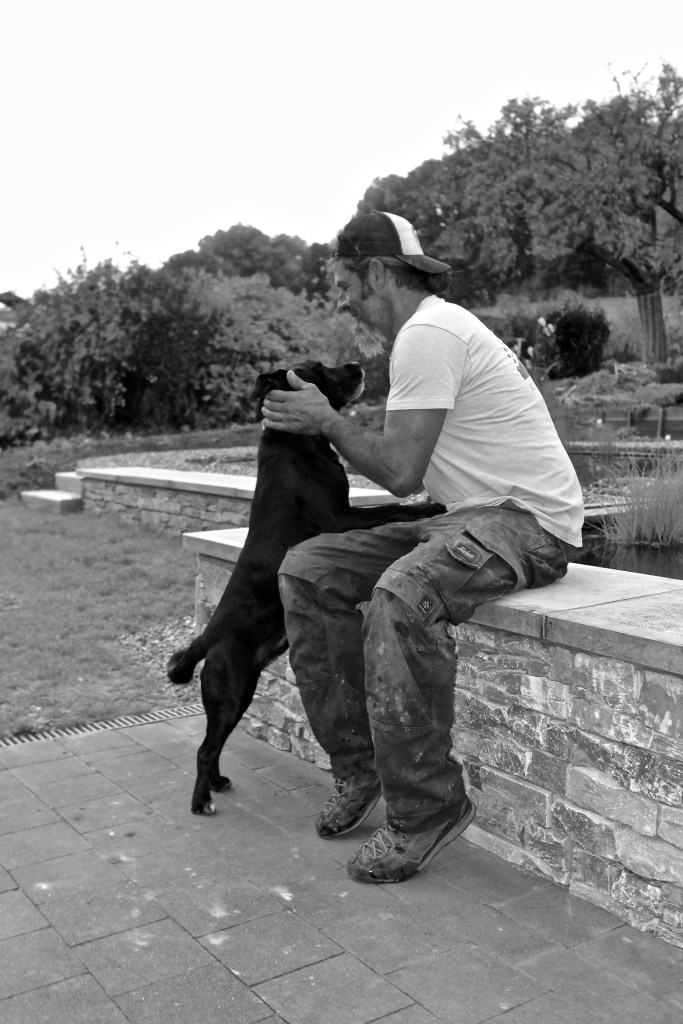
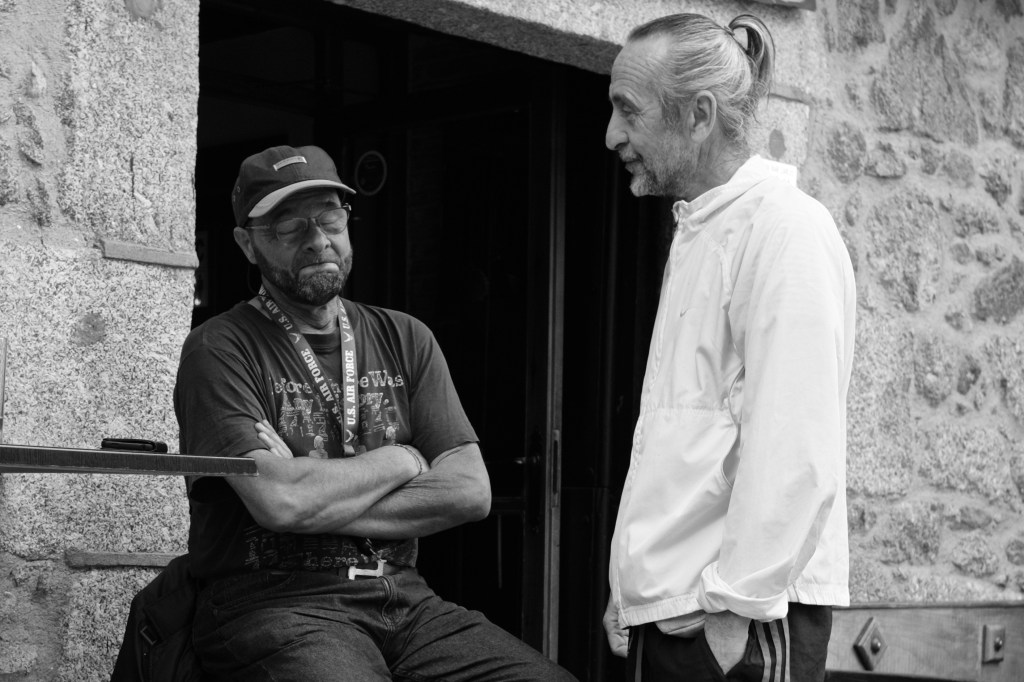
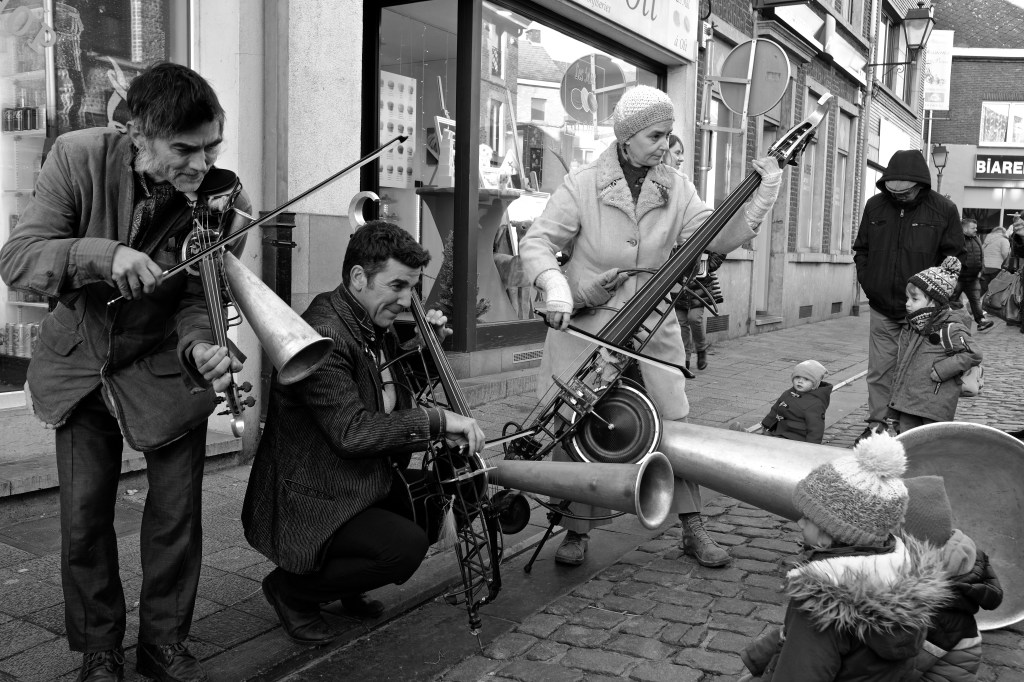
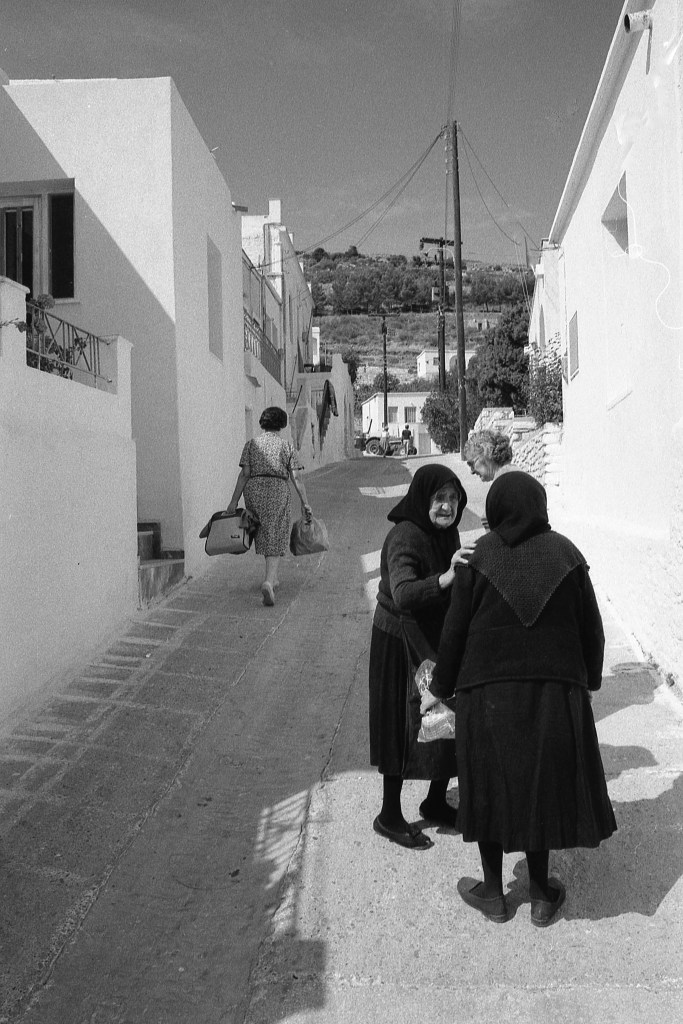
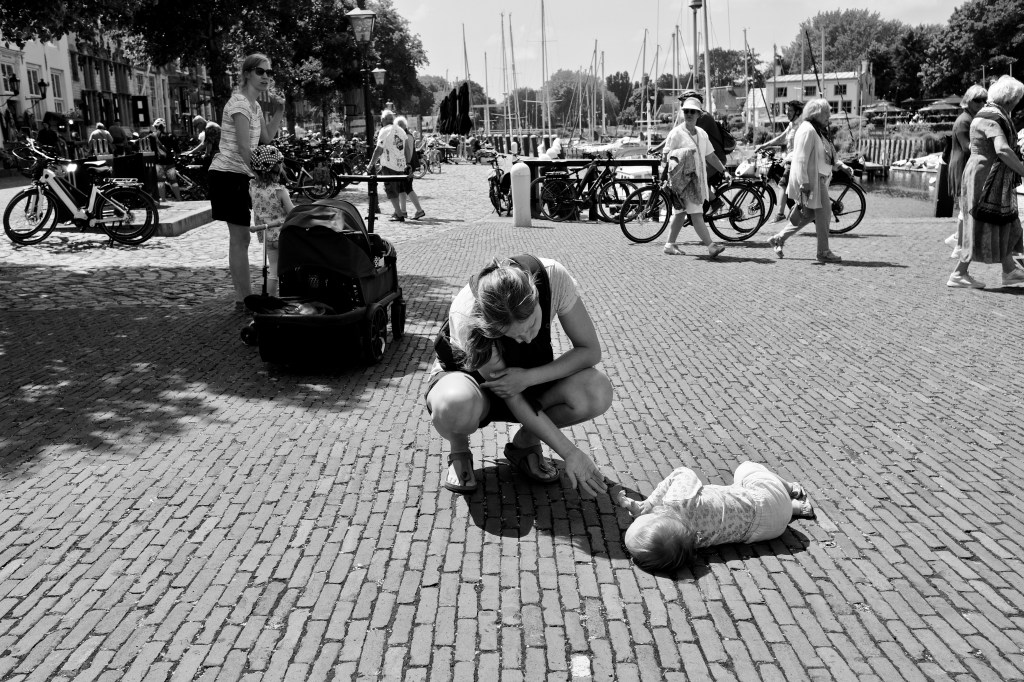
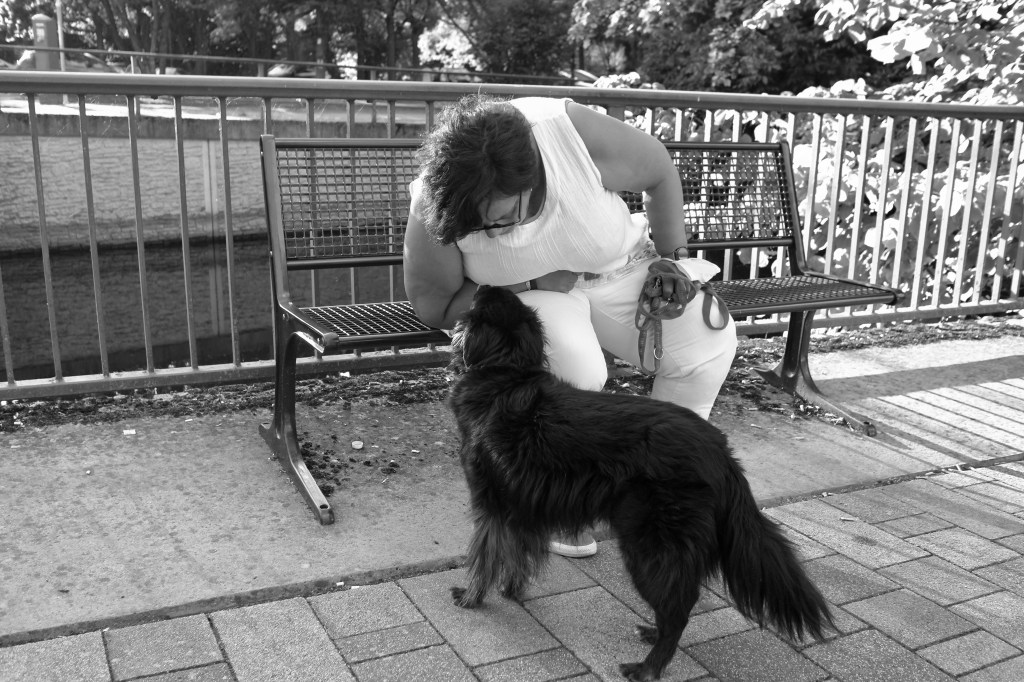
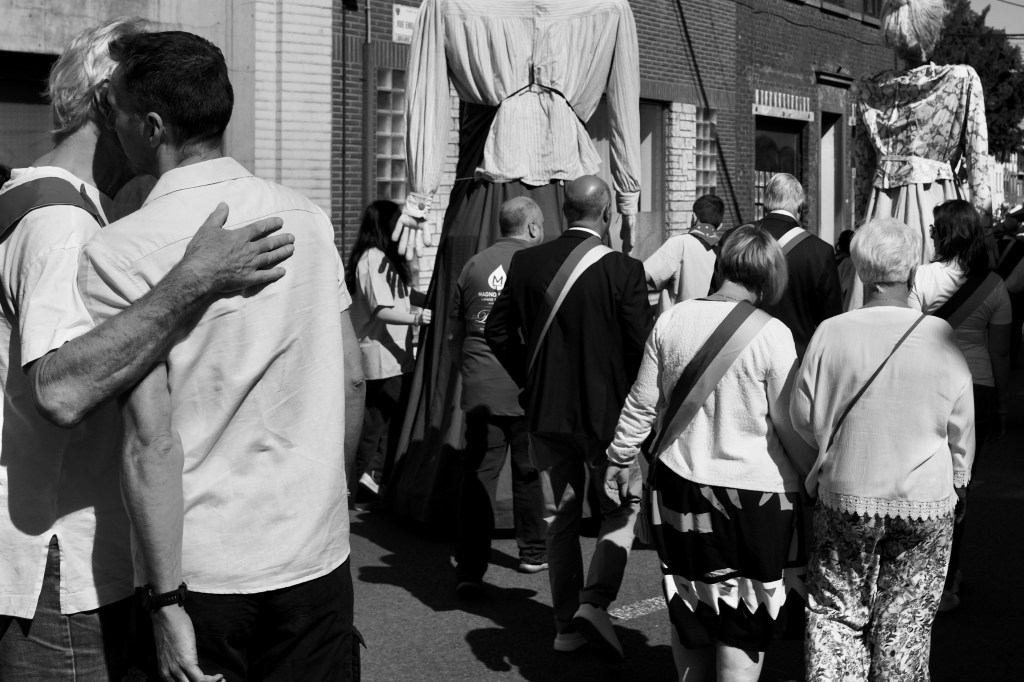
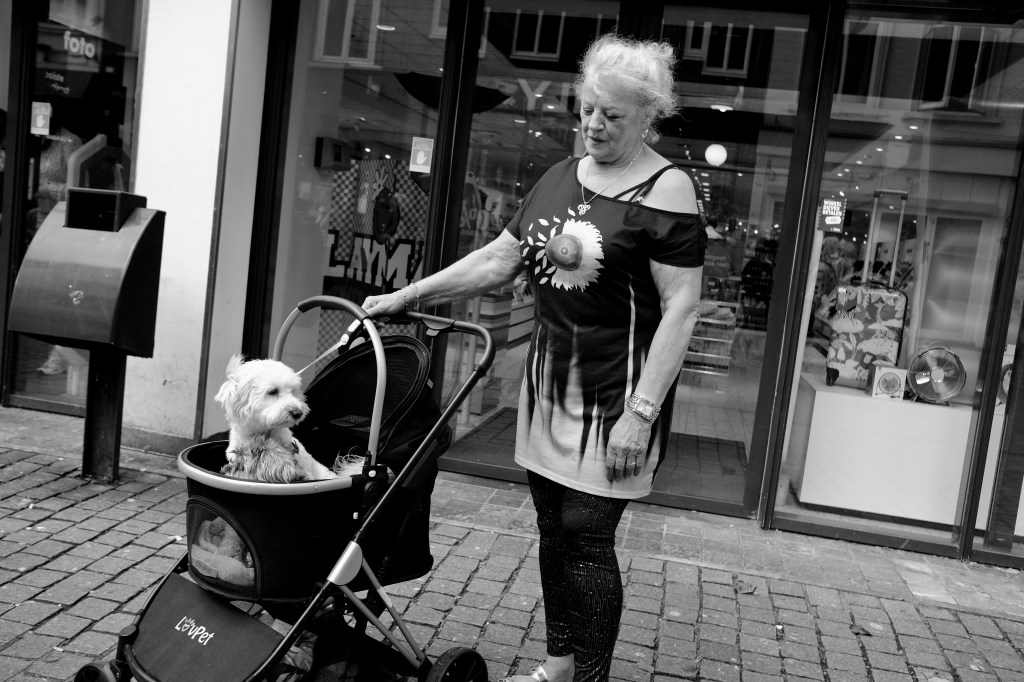
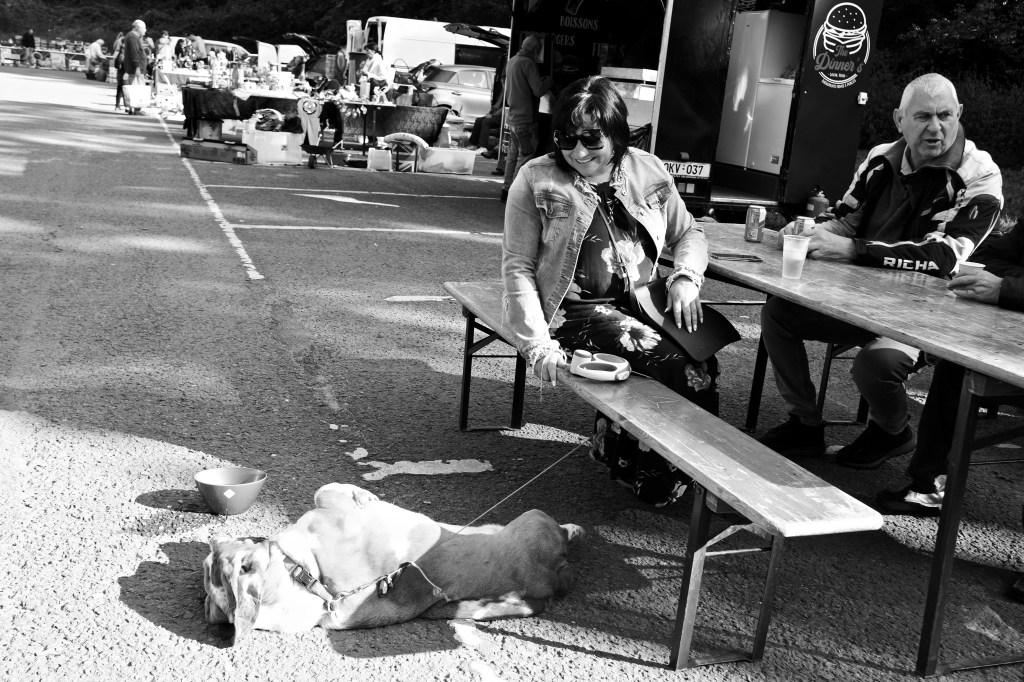
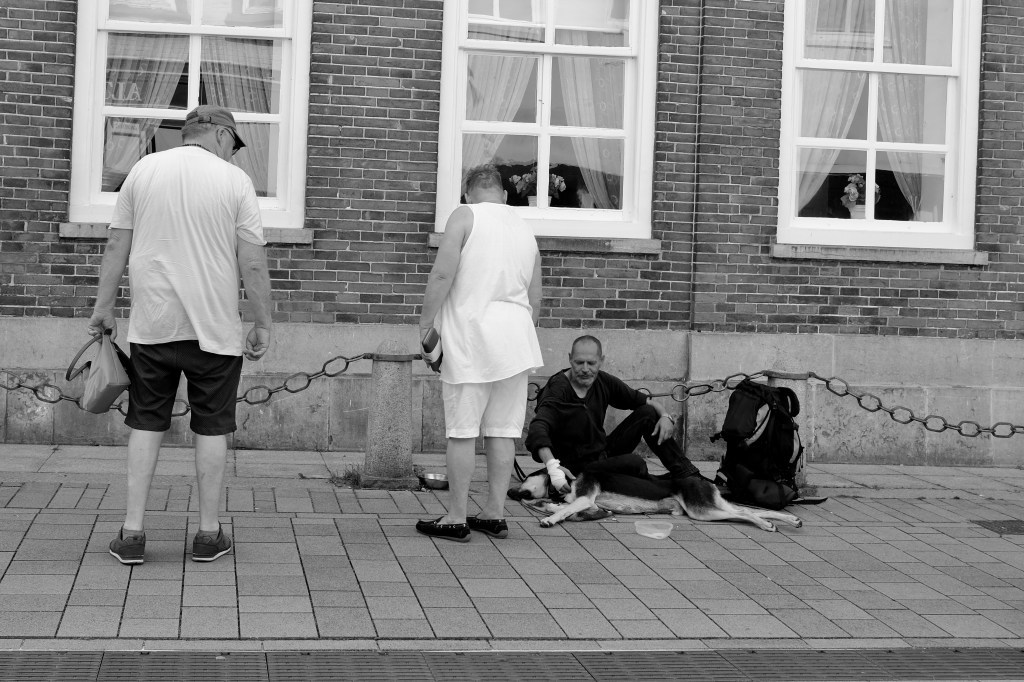
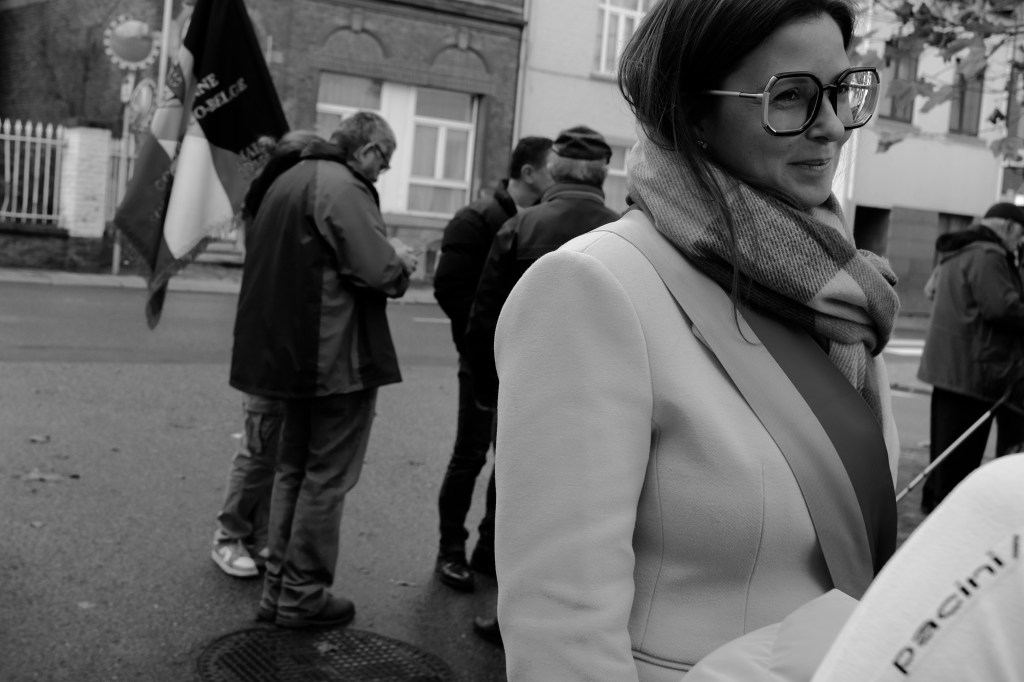
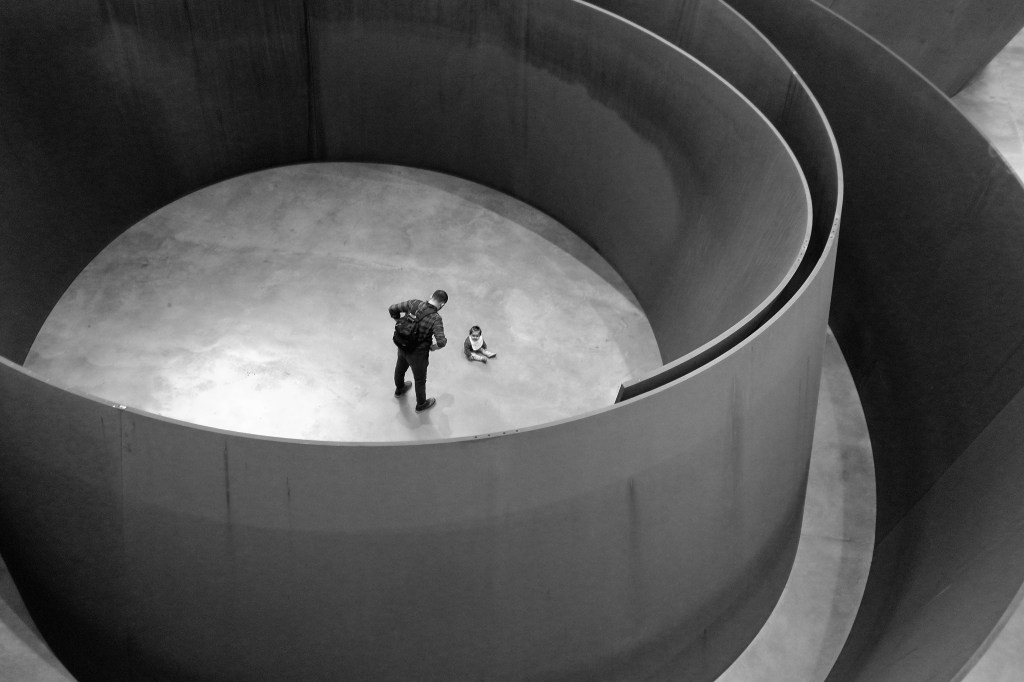
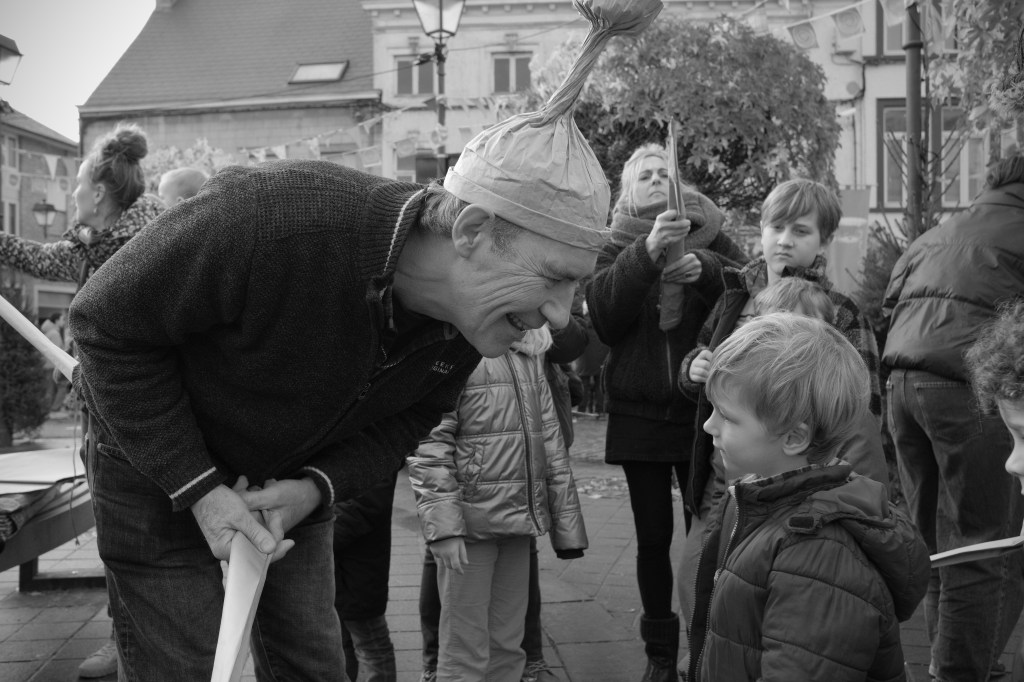
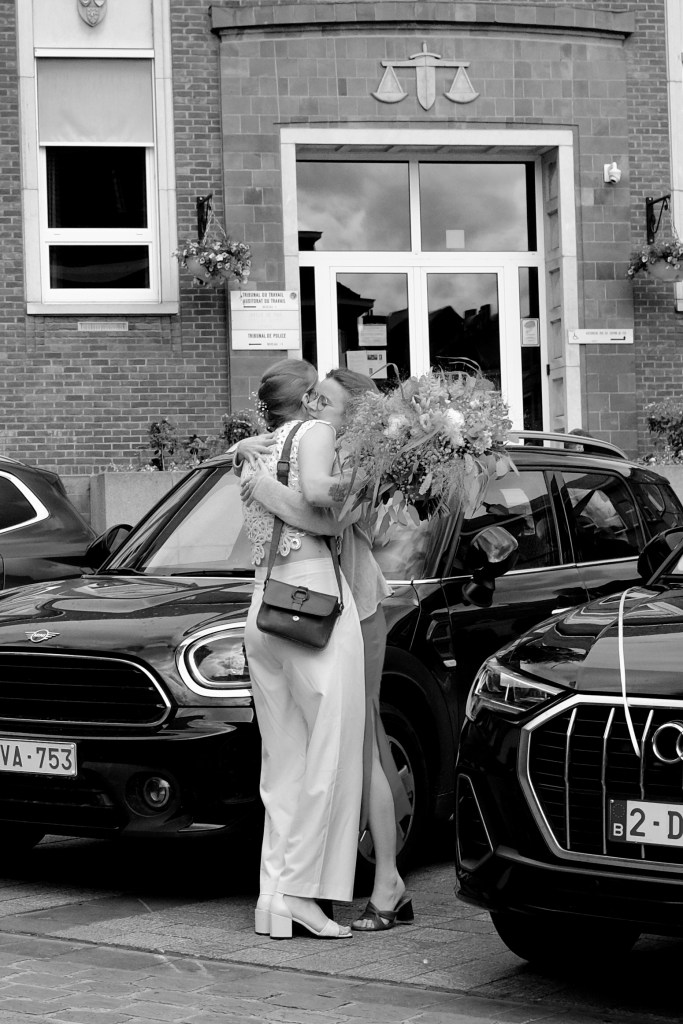
It is said that man is evil. Without claiming that this is totally untrue, a little nuance can’t hurt. Man can be good. The proof, if I may say so, is provided by these photos found in my traveller’s archives.
Admittedly, our world is not a fairy tale. The banality of egocentrism is as depressing as that of evil (which, since its discovery, has only grown worse, an absolute horror!). But for life to remain bearable, we must still bet on Rousseau rather than Hobbes, and even if it is unnatural, see the tree rather than the forest and therefore focus (a very photographic term) on the individual rather than on the human race, in which we no longer believe.
Yet individuals are often capable of the most beautiful things, as Rutger Bregman shows in Human Kind. Betting on the individual and showing their good side is something I have often done out of convenience (it’s less risky) as much as out of inclination (gloom is a useless emotion, said Bertrand Russell), but it was also unconscious and unplanned (premeditation is, for me, the worst thing in photography. I leave posing to others; making someone look false has always seemed to me to be the ultimate misuse of the camera, which is why photography is not just about taking pictures).
That man can be good is what I have found throughout my life as a traveller. Indeed, without this, would I have gone out so much? It is kindness and hospitality that have inspired me to go out and meet others and, naturally, to photograph them from close.
Basically, when I ask myself why I have taken (and still take, mind you!) so many photographs in my life (I mean after a first time when I was only doing illustrations to show what I had seen, and therefore before I discovered in 1981 in Nepal what photography could be), the answer is simple: because I took pleasure in looking for this goodness which certainly exists everywhere in the world, (that responded to my need to be reassured), but which after all is not so common (its relative rarity makes its search exciting).
(As goodness is timeless his instances are intentionally presented here in a non-chronological manner.)



















 Marc Delforge Slow photographer